Demographics
Region: Wheatbelt
LGA: Quairading
Industry: Railway Siding
Other Names: Balkuling Siding, Balkulling, Balcooling
Open Street Map: -31.926804549983927, 117.11658045126927
What3Words: ///transcribe.wipe.hopped
Settled: About 1907
Gazetted: 1920
Abstract
This article explores the comprehensive history of Balkuling, a community in Western Australia’s Wheatbelt that transitioned from a bustling railway siding to a serene rural locality. Originating in 1907 with the expansion of the state’s agricultural rail network, Balkuling, also known at times as Balcooling or Balkulling, became the heart of a productive district renowned for its high-quality wheat and chaff. The narrative delves into the early social and economic milestones that defined the community, including the official “foodless” railway opening of 1908 and the formation of essential social institutions such as the local Red Cross branch in 1918.
The people highlighted shaped Balkuling, pioneering families like the Minchins, Morgans, and Fowlers, whose contributions to farming and community life provided the town’s foundation. Through anecdotes ranging from local wedding celebrations to the resilience shown during destructive farm fires, we examine the social fabric of early 20th-century life in the region. Environmental challenges, such as record heat and water scarcity, are examined alongside political shifts in local governance and the eventual decline of the township as transport technologies evolved. Now holding a population of approximately 21 residents, Balkuling stands as an important historical precinct, offering a unique glimpse into the triumphs and trials of Western Australia’s agricultural pioneers.
History
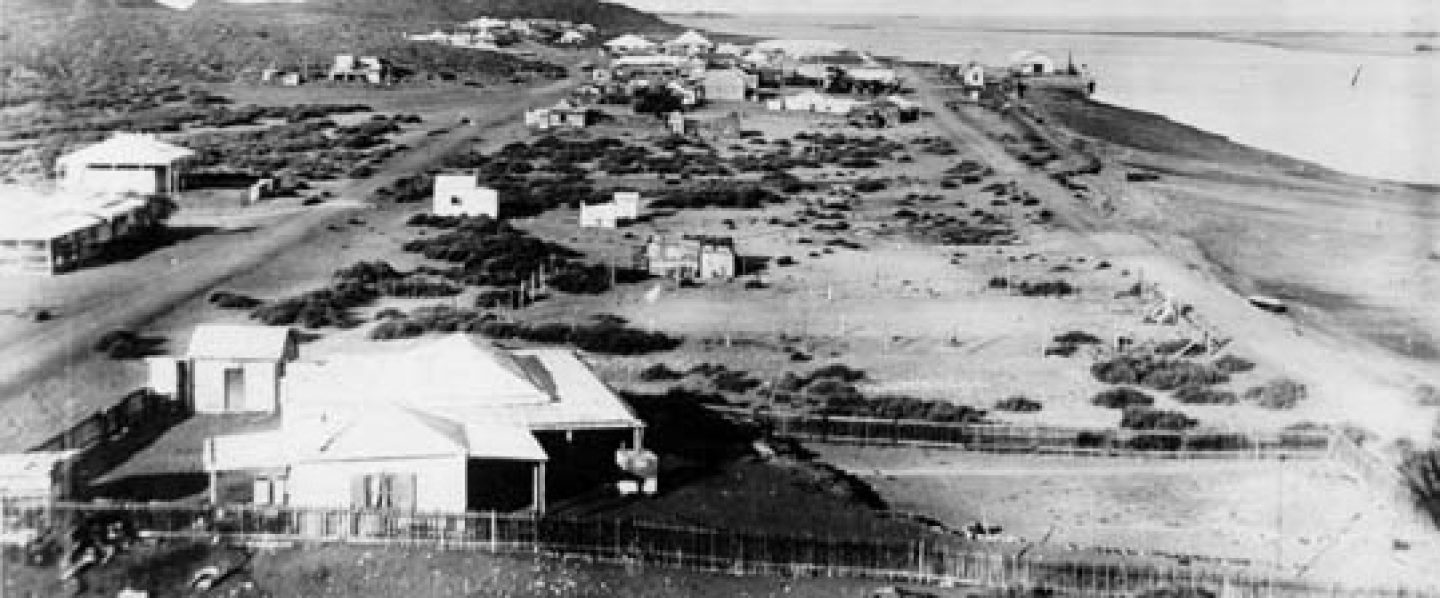
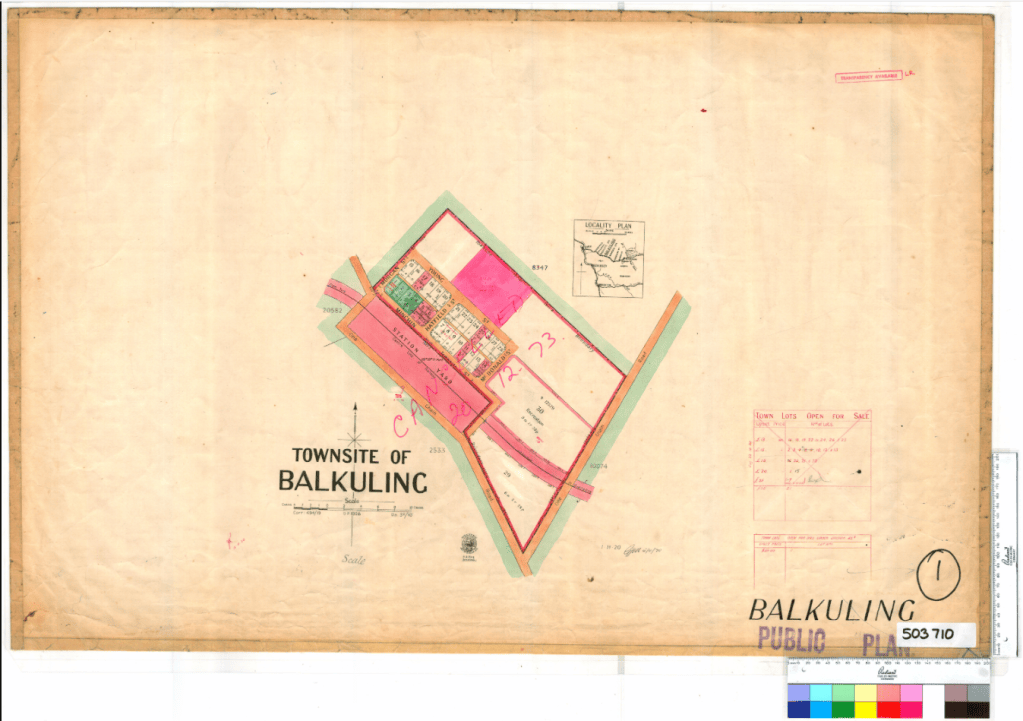
In the vast, sun-drenched expanse of Western Australia’s Wheatbelt region lies a locality that serves as a quiet echo of the state’s pioneering agricultural era. Balkuling, situated approximately 192 kilometres east of Perth and 28 kilometres west of Quairading, is today a peaceful rural destination, yet its history is one of vibrant growth, bustling rail traffic, and a tight-knit community of settlers. Over the decades, the name has appeared in various forms, including Balcooling, Balkulling, and Balkuling Siding, though it was officially gazetted as the townsite of Balkuling in 1920. The name itself is Aboriginal in origin, believed to be derived from a term relating to “walking” (the word kulin or goolin).2 3 4
Christine Harris
The Catalyst: The Greenhills-Quairading Railway
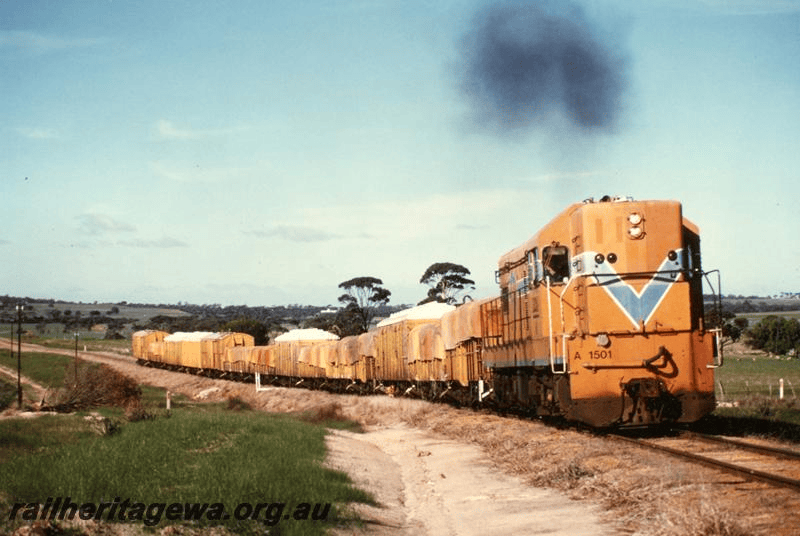
The true birth of the Balkuling community was inextricably linked to the iron rails of the Western Australian Government Railways. In 1907, as the government sought to open rich agricultural land further east of York, a siding was established at the 11-mile, 20-chain mark on the new Greenhills-Quairading line. Before the railway, the area was sparsely settled by pastoralists who relied on ancient soaks and wells, such as the “Cowering Reserve,” which had been surveyed as early as 1870.5
The official opening of the railway on 24 April, 1908, was an event of great political and social significance, though it was not without its minor scandals. A large contingent of dignitaries, including the Mayor of Fremantle and the Under-Secretary for Works, boarded the train at Greenhills, with the party growing at every siding along the line until standing room was at a premium. Interestingly, the event became known locally as the “Foodless Banquet”. The settlers along the new line had received no formal notification of the ceremony and were thus unable to prepare a suitable reception.
Despite the lack of a feast, the speeches delivered that day reflected the high political hopes for the district. Mr F.C. Monger, M.L.A., expressed the hope that the “manifest prosperity” of the settlers would prove the resources of the district worthy of the State. Mr S.J.W. Parker, drawing on forty years of experience in the district, praised the land’s quality and the energy of the men developing it. For the city visitors, the highlight was a glimpse of half a dozen kangaroos breaking cover and racing the train across an open space – a sight that caused such a surge to the windows that some feared the train might capsize.
The Economic Foundations
Agriculture was the lifeblood of Balkuling. By the early 1910s, the district was recognised as part of a “rich agricultural land” capable of growing wheat as well as any other part of the state. One of the most prominent early figures was Jim Minchin, a former member of the Swan Roads Board, who left the Middle Swan in 1911 to work land he had taken up at Balkuling. Looking as though “wheat-growing agreed with him,” Minchin became a staple of the local economy.7 8
The economic life of the town was often recorded through its legal and commercial dealings. In 1919, a notable court case, Murphy v. Drummond and Co., shed light on the specifics of the local chaff industry. The case involved a deal for a hay crop estimated at 250 tons, which had remained uncovered through three inches of rain. The testimony revealed that carting chaff to the Balkuling Siding, a distance of eight miles for some farmers, was a significant undertaking, with contracts specifying rates for trucking and the removal of damaged hay.9
Genealogists will find a wealth of history in the livestock brands and vehicle registrations that were the hallmarks of Balkuling’s farming families. Properties such as “Terowie” (Mitchell), “Penlyn” (Minchin), “Flatt’s Farm” (Morgan), “Jangelling Farm” (Fowler), and “Glencoe Farm” (Draper) were the cornerstones of the district. By 1962, prominent brands in the area included C.W. Bateman’s “VH1” at “Gumbanks” and C.W. Magowan & Sons’ “OM4” at “Yarrabin”.10 11
The introduction of motor vehicles in the 1920s further transformed the economy. Early registrations included W.S. Aiken’s 20 H.P. Ford (1922-23), Basil Minchin’s Ford, and Herbert Morgan’s Buick. These vehicles allowed for greater mobility between the siding and the larger centres of York and Beverley.12
The Social Fabric
A community is more than its ledger books, and early Balkuling possessed a vibrant social scene. The Balkuling Town Hall was the centre of this world. It was in this hall that the Balkuling State School opened in 1922. The school’s history was one of perseverance; it faced several closures due to fluctuating student numbers before a more permanent building was brought in from Bellakabella in 1947. The list of teachers who served the community is extensive, including figures such as Helen McLean (1923), Gladys Hey (1926-28), and in later years, John Payne (1967-70) and Peter James Bane (1977-78).13 14
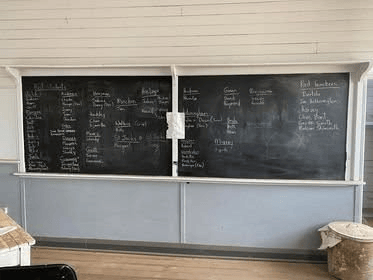
The spirit of service was particularly evident during the Great War. In August 1918, fifteen local ladies met at the residence of Mr Hardman to form the Balcooling Branch of the Red Cross Society. The office-bearers included Mrs Morgan (President), Mrs Veitch (Vice-President), Mrs Hastings (Treasurer), and Mrs Hardman (Secretary). One of their first initiatives was a fundraising football match between Dulbelling and Greenhills, played at Balkuling, where the ladies provided refreshments for players and onlookers alike.16
Members of the Balkuling community served in both World Wars and Private Henry Hawthorn Rose gave his life in France on 15 April 1918 as a member of the 11th Australian Machine Gun Company.17
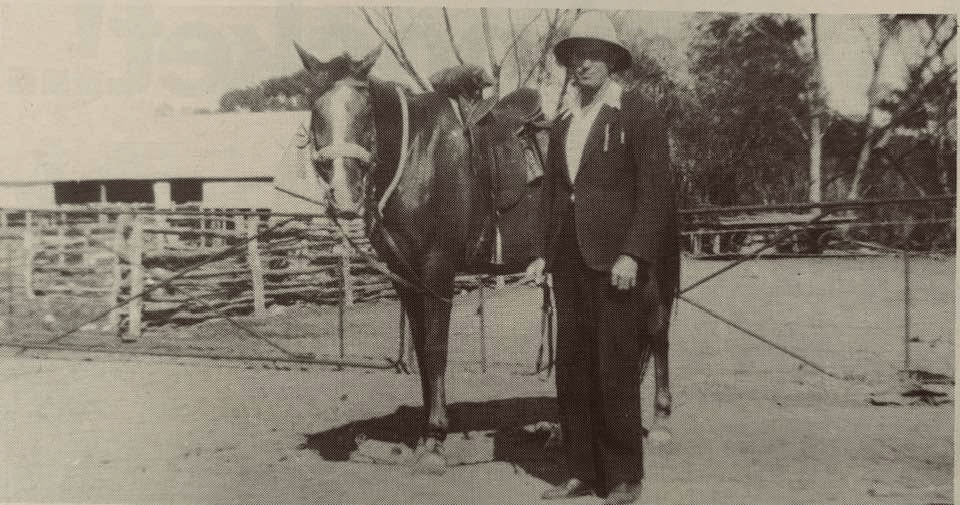
Social events often revolved around the milestones of its residents. In March 1913, the wedding of Margaret E. (Nellie) Minchin to Mr Veitch was solemnised at “Pent Lyn,” the Minchin family residence. Described as a “quiet but pretty” ceremony, it brought together families from across the district. Even the children were part of the social network; in 1910, young Basil Minchin wrote a charming letter to “Auntie Nell” of the Daily News Sunshine League, describing the “Flower Carnival” and how much he liked the life at Balkuling on the new farm.19 20
In later decades, the Balkuling Golf Club and the Beverley Tennis Club became the primary outlets for recreation. The sense of community remained strong well into the 20th century, as seen in the “heartwarming send-off” given to the Hastings family by the people of Balkuling in 1974.21
Adversity and Environmental Factors
Life in the Wheatbelt was not without its perils. The environment could be both a provider and a destroyer. On a “record hot day” in January 1917, a destructive fire broke out at J.F. Mitchell’s “Terowie Farm”. The Mitchell family were resting after their midday meal when smoke was detected; the hessian portion of their building had ignited. The fire spread rapidly, consuming 30 acres of crop that were being garnered and moving into the adjoining paddocks of the Anderson family. While much of the crop was fortunately saved, the loss of fencing and bush feed was a significant blow to the farmers.22
Water supply was a perennial concern. As early as 1910, the Doodenanning Progress Association was active in securing a water supply for Reserve 836 near Balkuling. The association also lobbied for improved infrastructure, such as level crossings and telephone communication. Political boundaries also shifted; the community found itself at different times under the jurisdiction of the Beverley, Greenhills, and eventually the Quairading Roads Boards.23 24
Decline and Heritage
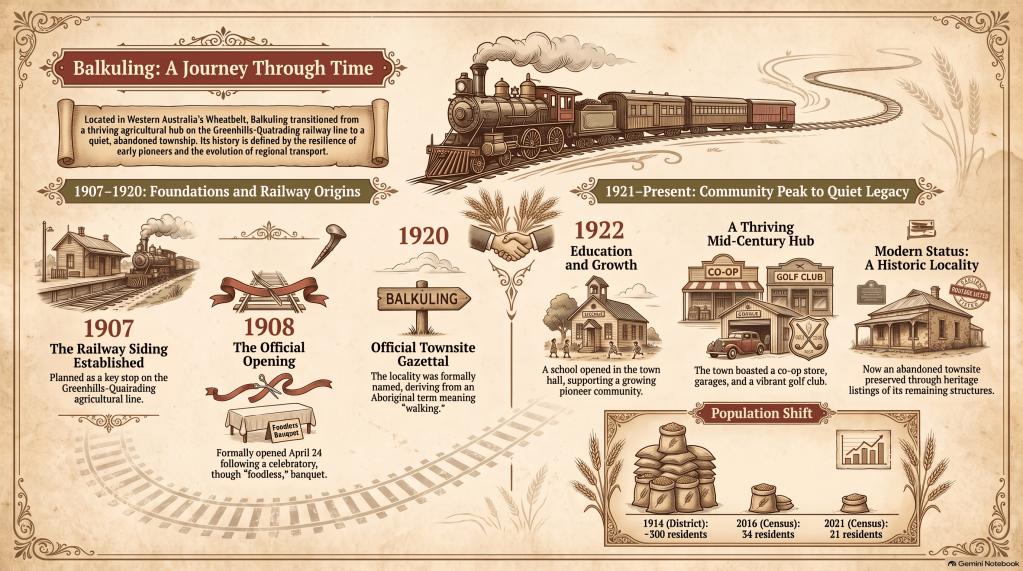
Like many regional towns that flourished with the railway, Balkuling’s prominence began to wane as transport and farming technologies evolved. The small town once boasted many houses, shops, and even garages, but as people became more mobile, the need for a local township diminished. By 1914, the population was recorded at 61 residents. Over a century later, the 2016 Census recorded just 34 people, a number that fell to 21 by 2021.25 26 27
Today, the Balkuling Townsite Precinct is recognised for its historic value. The precinct includes the site of the former siding, the Co-op Store and residence, the hall, the golf club, and several historic houses such as “Minchin’s” and “Hansen’s Post Office House”. These structures stand as monuments to the hundreds of acres brought under cultivation and the “good farmers contented and happy” who once called this place home.28
For the visitor or local historian, Balkuling remains a site of quiet reflection. It represents a chapter of Western Australian history where the arrival of a train could signal a “new era of prosperity” and where the shared work of a Red Cross branch or a local school could forge a community that endured through fire, drought, and time.
Timeline
- 1870: Land surveyed for “Cowering Reserve” (later part of the townsite area) to serve travellers and stock.
- 1906: T.E. Tanner of “Balcooling” objects to the closure of a road towards Dangin at a Beverley Roads Board meeting.
- 1907: “Balkuling” (also spelt Balcooling) suggested as the name for a new siding on the Greenhills-Quairading Railway.
- 1908 (April 24): Official opening of the Greenhills-Quairading Railway line; Balkuling Siding is a key stop.
- 1910: Young Basil Minchin writes to the Daily News about life on the new Balkuling farm.
- 1911: Jim Minchin, a long-time Middle Swan resident and Roads Board member, moves to his land at Balkuling.
- 1912: J.F. Mitchell registers the “6MJ” livestock brand for his property “Terowie”.
- 1913 (March 26): Wedding of Margaret E. (Nellie) Minchin and Mr Veitch at “Pent Lyn,” Balkuling.
- 1914: Population of the new township recorded as 61.
- 1915: Mr Griffiths, M.L.A., visits Balkuling on a tour of the district, staying with the Young family.
- 1917 (January 17): A destructive fire at Mitchell’s “Terowie Farm” destroys buildings and 30 acres of crop.
- 1918 (August): Formation of the Balcooling Branch of the Red Cross Society by fifteen local ladies.
- 1919: York Local Court hears the case of Murphy v. Drummond and Co. regarding a chaff deal at Balkuling.
- 1920: Balkuling is officially gazetted as a townsite.
- 1922: A school is opened in the Balkuling Town Hall.
- 1922-23: W.S. Aiken and Basil Minchin are among the first to register motor vehicles (Fords) in the district.
- 1924: T.F. Lonergan (“Cloheen Farm”) and Jas. Basil Minchin (“Vaire”) register their livestock brands.
- 1926: Mrs Hugh Young of “Balcooling” visits Perth for Show Week.
- 1947: The school in the town hall closes; a new school building is relocated from Bellakabella to Balkuling.
- 1974: Long-time residents, the Hastings family, are given a formal “send-off” by the community.
- 2003: Balkuling Townsite Precinct is formally listed on the State Heritage Register.
- 2021: Australian Census records the population of Balkuling as 21 residents.
Map
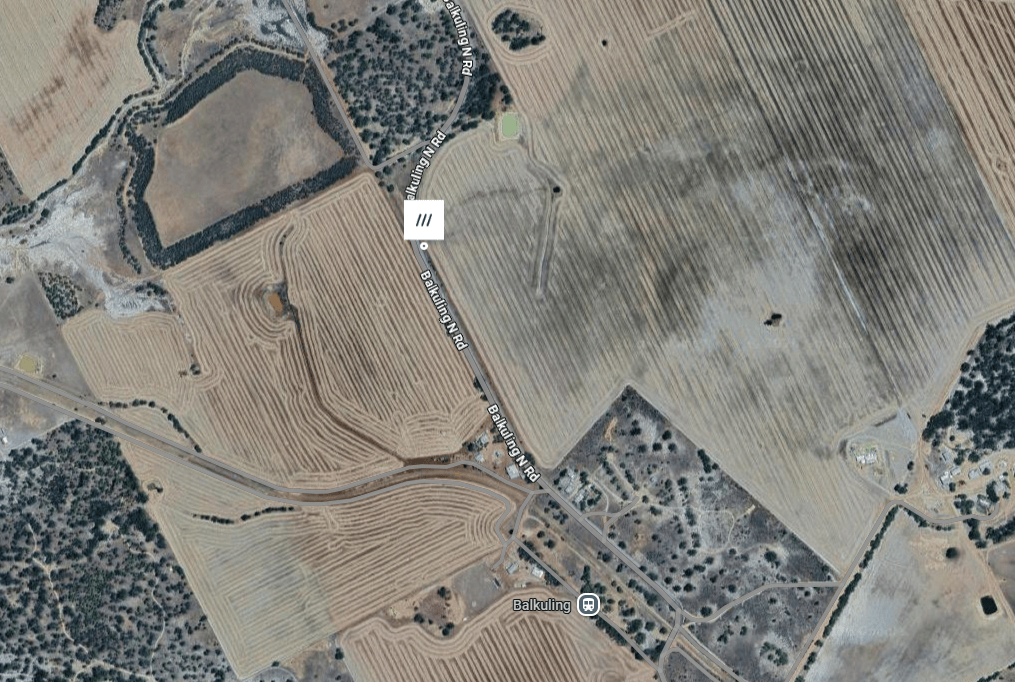
showing the location of the old town and the railway siding
Sources
- State Records Office of WA (2015). Balkuling Sheet 1 (Tally No. 503710) Retrieved 15 Aug 2026 from https://archive.sro.wa.gov.au/index.php/balkuling-sheet-1-tally-no-503710-0088 ↩︎
- Wikipedia (2022) Balkuling, Western Australia. Retrieved 15 Aug 2026 from https://en.wikipedia.org/wiki/Balkuling,_Western_Australia ↩︎
- Australia’s Guide (n.d.) Balkuling, Quairading, Western Australia. Retrieved 15 Aug 2026 from https://australiasguide.com/wa/location/balkuling/ ↩︎
- Landgate (2022). Town Names. Retrieved from the Internet Archive Wayback Machine on 15 Aug 2026 from https://web.archive.org/web/20220314101618/http://www0.landgate.wa.gov.au/maps-and-imagery/wa-geographic-names/name-history/historical-town-names#B ↩︎
- GREENHILLS-QUAIRADING RAILWAY. (1908, May 2). Western Mail (Perth, WA : 1885 – 1954), p. 43. Retrieved August 15, 2026, from http://nla.gov.au/nla.news-article37572364 ↩︎
- Rail Heritage WA (1989) A class 1601, near Balkuling, YB line, grain train. Retrieved 15 Aug 2026 from http://railheritagewa.org.au/archive_scans/displayimage.php?pid=3605 ↩︎
- NEWS AND NOTES. (1911, August 7). The West Australian (Perth, WA : 1879 – 1954), p. 4. Retrieved August 15, 2026, from http://nla.gov.au/nla.news-article26347487 ↩︎
- PERSONAL. (1911, August 4). The Swan Express (Midland Junction, WA : 1900 – 1954), p. 3. Retrieved August 15, 2026, from http://nla.gov.au/nla.news-article207339799 ↩︎
- A DEAL IN CHAFF. (1919, September 20). The Avon Gazette and York Times (WA : 1916 – 1930), p. 4. Retrieved August 15, 2026, from http://nla.gov.au/nla.news-article209851393 ↩︎
- Carnamah Historical Society (n.d.) Biographical Dictionary – Balkuling. Retrieved 15 Aug 2026 from https://www.carnamah.com.au/keyword-results?cx=014924852676970019018%3Aoquc8xeepwu&ie=UTF-8&q=Balkuling&sa=Search&siteurl=www.carnamah.com.au%2Fbiographical-dictionary&ref=www.carnamah.com.au%2Fbiographical-dictionary&ss=2291j3612765j4 ↩︎
- ibid : WA Livestock Brands 1912-1962. Retrieved 15 Aug 2026 from https://www.carnamah.com.au/livestock-brands?keyword=Balkuling ↩︎
- Carnamah Historical Society (n.d.) WA Motor Vehicle Registrations 1915-1928. Retrieved 15 Aug 2026 from https://www.carnamah.com.au/car-registrations?keyword=Balkuling ↩︎
- Heritage Council of WA (2017). Bellakabella School (fmr) – site. Retrieved 15 Aug 2026 from https://inherit.dplh.wa.gov.au/Public/Inventory/Details/85550cae-e2e1-4d0c-aaff-077a6a0a90dd ↩︎
- Carnamah Historical Society (n.d.) WA State School Teachers 1900-1980. Retrieved 15 Aug 2026 from https://www.carnamah.com.au/teachers?keyword=Balkuling ↩︎
- WA Now and Then (2022). Abandoned Western Australia. Retrieved 15 Aug 2026 from https://www.facebook.com/share/p/194cbJ4aqB/ ↩︎
- Red Cross Society. (1918, August 17). The Beverley Times (WA : 1905 – 1977), p. 4. Retrieved August 15, 2026, from http://nla.gov.au/nla.news-article200755902 ↩︎
- Australian War Memorial (2026). Roll of Honour: Henry Hawthorn Rose. Retrieved 15 Aug 2026 from https://www.awm.gov.au/collection/R1664974 ↩︎
- Gault, V (2025). Vintage Photos. Originally published in The Countryman Flashback in 1982 and republished by Merilyn Stewart in the Gnowangerup Facebook Group in 2025. Retrieved 15 Aug 2026 from https://www.facebook.com/share/p/194dBe93iX/ ↩︎
- WEDDING. (1913, April 11). The Swan Express (Midland Junction, WA : 1900 – 1954), p. 3. Retrieved August 15, 2026, from http://nla.gov.au/nla.news-article209379495 ↩︎
- THIRD CLASS (1910, May 14). The Daily News (Perth, WA : 1882 – 1955), p. 10 (THIRD EDITION). Retrieved August 15, 2026, from http://nla.gov.au/nla.news-article77832110 ↩︎
- Family Notices (1974, March 21). The Beverley Times (WA : 1905 – 1977), p. 2. Retrieved August 15, 2026, from http://nla.gov.au/nla.news-article202741440 ↩︎
- BALKULING. (1917, January 26). Eastern Districts Chronicle (York, WA : 1877 – 1927), p. 4. Retrieved August 15, 2026, from http://nla.gov.au/nla.news-article148620317 ↩︎
- DOODENANNING PROGRESS ASSOCIATION. (1910, April 15). Eastern Districts Chronicle (York, WA : 1877 – 1927), p. 2. Retrieved August 15, 2026, from http://nla.gov.au/nla.news-article148619489 ↩︎
- BEVERLEY ROADS BOARD. (1907, August 10). The Beverley Times (WA : 1905 – 1977), p. 7. Retrieved August 15, 2026, from http://nla.gov.au/nla.news-article200730022 ↩︎
- AVON GAZETTEER. (1914, November 28). The Avon Gazette and Kellerberrin News (WA : 1914 – 1916), p. 4. Retrieved August 15, 2026, from http://nla.gov.au/nla.news-article210984385 ↩︎
- Australian Bureau of Statistics (2016). 2016 Census All persons QuickStats. Retrieved 15 Aug 2026 from https://www.abs.gov.au/census/find-census-data/quickstats/2016/SSC50057 ↩︎
- Australian Bureau of Statistics (2021). 2021 Census All persons QuickStats. Retrieved 15 Aug 2026 from https://www.abs.gov.au/census/find-census-data/quickstats/2021/SAL50057 ↩︎
- Heritage Council of WA (2017). Balkuling Townsite Precinct. Retrieved 15 Aug 2026 from https://inherit.dplh.wa.gov.au/public/inventory/details/cbc78079-b2bf-41af-8fd4-c2c89fb868a5 ↩︎
- What3Words.com (2026). Balkuling – Aug 2026. Retrieved 15 Aug 2026 from https://what3words.com/transcribe.wipe.hopped ↩︎
Versions
| Date | Changes |
|---|---|
| 15 Aug 2026 | Version 0.1 – First draft |
| 6 Sep 2026 | Version 1.0 – First published |

