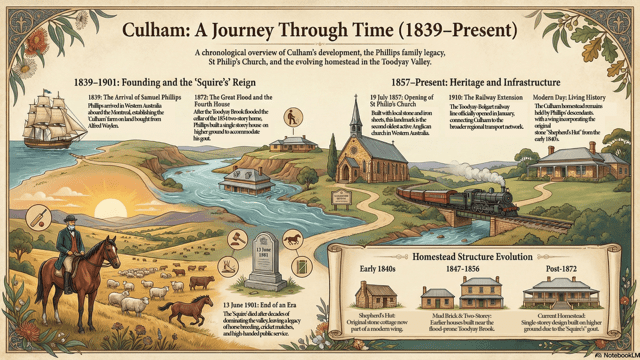
Christine Harris (2026)
Demographics
Region: Wheatbelt
LGA: Toodyay
Industry: Agriculture & Rail Siding
Other Names:
Open Street Map: -31.42929496057765, 116.43705384602366
What3Words: ///virtue.overwhelms.wildfires
Settled: 1839
Gazetted: N/A
Abandoned: 1965 (closure of the rail siding)
Abstract
This article examines the history of Culham, Western Australia, from its 1830s pastoral roots under Samuel Pole Phillips to its role in the convict era. It details the community’s social hierarchy, the construction of St Philip’s Church, and the environmental and economic shifts that led to its modern status as a quiet heritage locality.
History
Culham is a small locality situated in the upper valley of the Swan River, approximately 100 kilometres north-east of the Western Australian capital, Perth. Its history is a rich tapestry of ambitious pastoralism, social hierarchy, and resilience against the harsh Australian environment. Named after a family home in Oxfordshire, England, the community became a bastion of English county traditions in the remote bushland of the Toodyay district. From its discovery and the “Squirearchy” of the 19th century to its modern existence as a quiet heritage area, Culham has been shaped by a unique blend of political ambition, economic necessity, and environmental challenge.1 2 3
Exploration and the Arrival of the ‘Squire’
The area was first explored by Robert Dale, with the land originally being taken up by Alfred Waylen. However, the definitive history of Culham began with the arrival of Samuel Pole Phillips (1819–1901) in Western Australia aboard the Montreal in 1839. Phillips, though educated for the Anglican ministry at Winchester College, sought his fortune in the new colony. In partnership with Edward Hamersley, a relation by marriage, he bought land in the Toodyay Valley. There, he established his homestead, which he named “Culham.”4 5
Phillips soon established himself as a dominant figure in the district, eventually earning the moniker “Squire.” His early years were defined by rapid growth and political engagement. By 1840, he was already serving as a director for the Toodyay District on the Western Australian Roads Trust and was appointed a district magistrate. His marriage in 1847 to Sophia Roe, the daughter of the colony’s first Surveyor-General, John Septimus Roe, further cemented his status within the colonial elite. So significant was this connection that Roe commemorated his son-in-law by naming the Phillips River and Culham Inlet on the south coast after him and his estate during explorations in the late 1840s.6
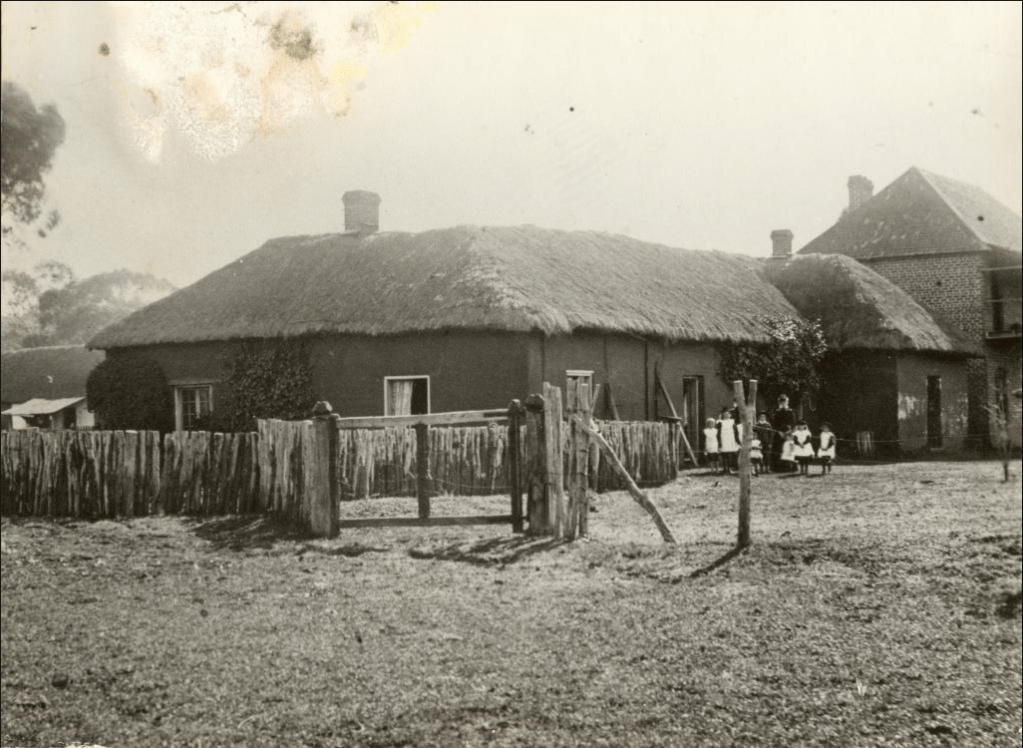
Economic Resilience and the Convict Era
The growth of Culham was not without struggle. Like many early settlers, Phillips faced financial ruin during the depressed years of the 1840s. He reportedly considered leaving the colony entirely until a major political and economic shift occurred: the introduction of convicts to Western Australia in 1850. This influx of labour and government spending acted as a catalyst for his recovery.
With his fortunes restored, Phillips focused heavily on horse-breeding on his Toodyay runs, specifically targeting the lucrative market in India. He became a founding member of the Western Australian Turf Club in 1852 and the Newcastle Race Club in 1865, reflecting the high value he placed on equestrian pursuits. The impact of convict labour extended beyond private estates; road-party camps were established near Culham to improve the connection between the valley and the capital. Phillips was famously proud of these links, boasting that the roads from Perth to Culham were the best in the colony.8 9
The Spiritual Heart: St Philip’s Church
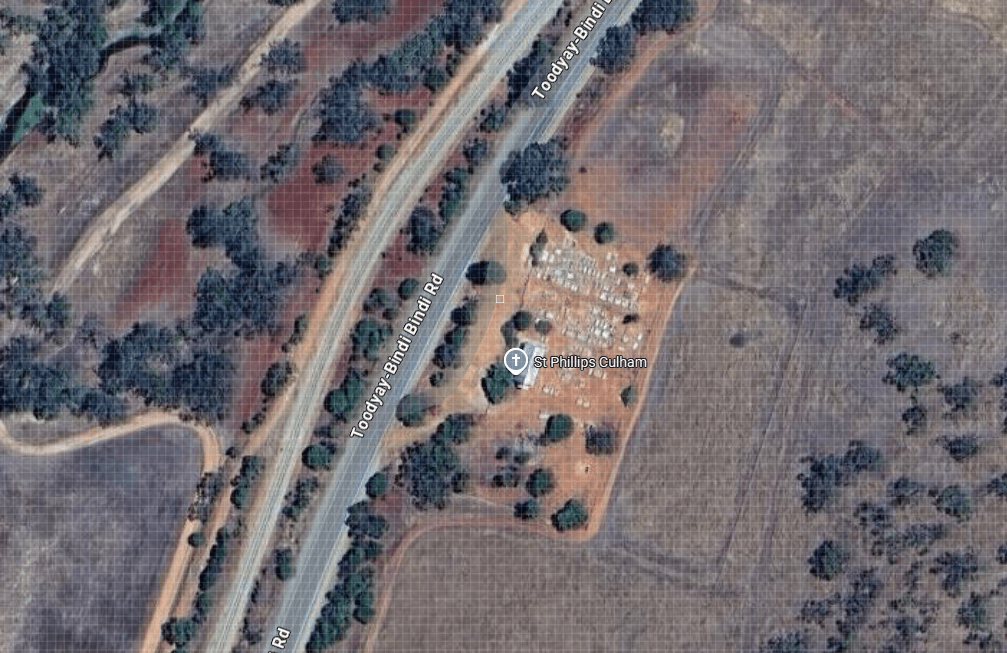
A defining milestone for the community was the construction of St Philip’s Anglican Church. The project was initiated in 1849 following a visit by Bishop Augustus Short, the first Bishop of Adelaide, who recognised the need for a local place of worship. Phillips donated 12 acres of land and initiated a building fund.
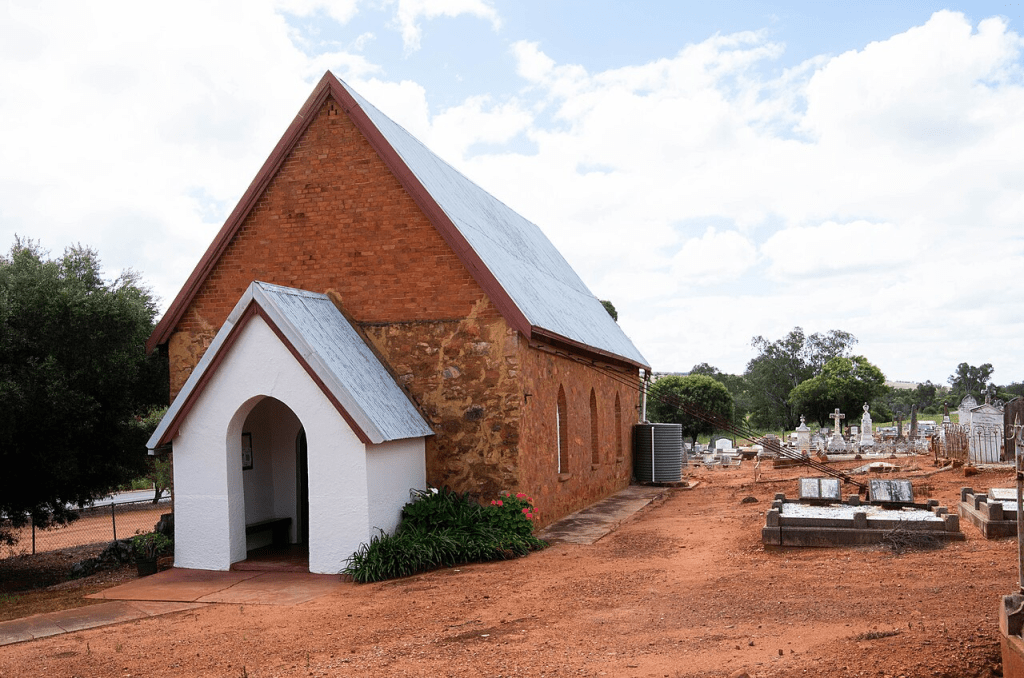
Construction was a prolonged process influenced by the family’s travels. Stone walls were erected by George Henry Hasell by 1852, but work halted when the Phillips family returned to England for several years. Following their return, the church finally opened on 19 July 1857. It remains the second oldest active Anglican church in Western Australia and serves as a testament to the community’s early social and religious foundations. The churchyard also serves as a cemetery where Phillips, his wife, and several of their children were eventually laid to rest.11
Social Life and Environmental Adaptations
Culham was conducted in the best traditions of the English county gentry. The Squire was an imposing figure—over six feet tall with a beard reaching his chest—known for his abrupt manner, quick temper, and generous hospitality. Social events were central to Culham’s identity; the 1890s saw special trains from Perth bringing cricketers and supporters to the Culham cricket match and race meeting.12
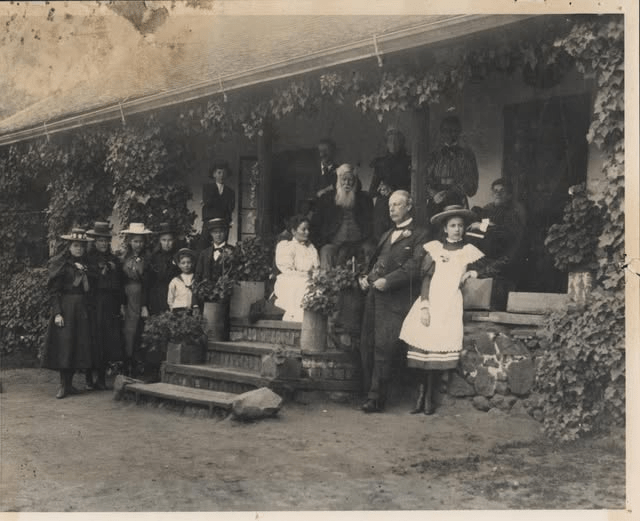
Samuel Pole Phillips (white beard) in the centre of the photograph
However, the Australian environment frequently challenged this transplanted English lifestyle. In 1872, the Toodyay Brook flooded, submerging the cellar of the then-two-storey Culham homestead. This environmental disaster forced Phillips to build a new single-storey home on higher ground, incorporating an original stone cottage known as the “Shepherd’s Hut.” The choice of a single-storey design was also a personal adaptation, as the Squire was increasingly beset by gout and wished to avoid stairs.14
The social fabric was also shaped by working-class pioneers. Catherine Gavin, an Irish migrant, settled at “Solomon’s Well” on the Old Plains Road near Culham in 1878. Her life at this watering stage for travellers represented the grit required to survive in the “fearful wilds” of Western Australia. Her records provide insight into the local economy, from the visits of Afghan hawkers to the use of convicts for road maintenance.15
Decline and Transition
The late 19th century brought economic and political changes that signalled the end of Culham’s era of undisputed pastoral dominance. Phillips was forced to relinquish many of his Toodyay pastoral leases during the depressed 1870s. Furthermore, new land regulations introduced in 1887 by Sir John Forrest aimed to create a “landed peasantry” by making smaller 100-acre blocks more accessible. While this opened up the land for families like the Gavins, it fragmented the vast runs that once defined the area.
The extension of the railway from Newcastle to Bolgart in 1910 brought short-term excitement and improved access to markets, but the region remained vulnerable to environmental volatility. The 1914 drought devastated many local crops, forcing families to seek assistance from the Industrial Assistance Board. By the early 20th century, many of the younger generation began to move away, seeking opportunities on the goldfields or in the growing city of Perth.16 17
Modern Culham and Heritage Preservation
Today, Culham is no longer a bustling pastoral hub but a quiet, evocative locality. The 2021 Census recorded a population of just 26 people, with a median age of 55, reflecting a small and mature community. The average number of motor vehicles per household is high at 5.9, highlighting the modern reality of life in a remote rural area.18 19 20 21
The community’s legacy is preserved through its heritage sites. The Culham Homestead, which has seen four iterations of housing on the site, still stands and is held by descendants of the Phillips family. St Philip’s Church continues to hold social value, providing a sense of place for generations who have celebrated weddings, baptisms, and funerals within its stone walls. While the “Squire” and his English traditions have faded into history, the enduring structures of Culham remain as significant landmarks of Western Australia’s colonial development.
Timeline
- 1830s: Exploration of the area by Robert Dale; land taken up by Alfred Waylen.
- 1839: Samuel Pole Phillips arrives in Western Australia and establishes Culham.
- 1840: Phillips appointed as a district magistrate and director of the Roads Trust.
- 1847: Phillips marries Sophia Roe.
- 1849: Bishop Augustus Short visits Culham and identifies the need for a church.
- 1850: Convicts arrive in Western Australia, aiding Phillips’ economic recovery; timber is cut for St Philip’s Church.
- 1852: Stone walls for St Philip’s Church are completed.
- 1853: First service held in the uncompleted church; Phillips family departs for England.
- 1857: Phillips returns to Culham; St Philip’s Church officially opens on 19 July.
- 1857–1872: Phillips serves as a nominee in the Legislative Council.
- 1872: Major flood of Toodyay Brook; Phillips builds a new single-storey homestead on higher ground.
- 1874: Telegraph line to New Norcia (passing through the area) is opened.
- 1878: The Gavin family settles at Solomon’s Well.
- 1887: New land regulations introduced to facilitate smaller agricultural holdings.
- 1895: St Philip’s Church is consecrated by Bishop Riley.
- 1901: Death of ‘Squire’ Samuel Pole Phillips on 13 June.
- 1910: Railway extension from Newcastle to Bolgart opens, including a stop at Culham.
- 1914: Severe drought impacts local agricultural viability.
- 1923: Death of Catherine Gavin.
- 1966: Closure of the Clackline to Toodyay section of the railway line.
- 2021: Australian Census records a population of 26 residents in Culham.
Map
Sources
- Trowbridge Gallery (2026). 1857 Culham, Western Australia. Retrieved 24 Feb 2026 from https://trowbridgegallery.com.au/shop/australian-images/western-australia-australian-images/1857-culham-western-australia/ [NOTE: this source appears to be derivitive – see Erickson] ↩︎
- Collections WA (2023). Culham Homestead, Toodyay. Retrieved 24 Feb 2026 from https://collectionswa.net.au/items/f880a920-a44b-45af-9160-d41e2ac2ee19 ↩︎
- Australian Bureau of Statistics (2021). 2021 Census All persons QuickStats: Culham. Retrieved 24 Feb 2026 from https://www.abs.gov.au/census/find-census-data/quickstats/2021/SAL50360 ↩︎
- Wikipedia (2024). Samuel Pole Phillips. Retrieved 24 Feb 2026 from https://en.wikipedia.org/wiki/Samuel_Pole_Phillips ↩︎
- Erickson, Rica (1974). Samuel Pole Phillips (1819-1901). Australian Dictionary of Biography, National Centre of Biography, Australian National University, https://adb.anu.edu.au/biography/phillips-samuel-pole-4397/text7167, published first in hardcopy 1974, accessed online 25 February 2026. ↩︎
- ibid ↩︎
- Shire of Toodyay (n.d.). Culham homestead, Toodyay. Retrieved 25 Feb 2026 from https://collectionswa.net.au/items/f880a920-a44b-45af-9160-d41e2ac2ee19 ↩︎
- Erickson, 1974 ↩︎
- Trowbridge: refers to Phillips’ public life ↩︎
- By Photographs by Gnangarra…commons.wikimedia.org, CC BY 2.5 au, https://commons.wikimedia.org/w/index.php?curid=110795958 retrieved 25 Feb 2026. ↩︎
- Shire of Toodyay (2026). Culham Church. Retrieved 24 Feb 2026 from https://www.toodyay.wa.gov.au/visit-toodyay/see-do/attractions/culham-church.aspx ↩︎
- Erickson, 1974: refers to English tradition ↩︎
- AMaGA WA (2025). Exterior Culham homestead. Photograph courtesy of Shire of Toodyay retrieved 24 Feb 2026 from https://www.facebook.com/share/p/17FV93fiGP/ ↩︎
- Collections WA: refers to the history of Culham Homestead ↩︎
- Erickson, Rica 1971, Catherine Gavin’s Story, 1839-1923: an Irish exile at Solomon’s Well on the Old Plains Road, Early Days, vol. 7, part 1: 89-102. Retrieved 24 Feb 2026 from https://freotopia.org/earlydays/7/erickson1.html ↩︎
- ibid ↩︎
- Erickson, 1974: refers to pastoral leases and railroad ↩︎
- ABS, 2021: refers to current population ↩︎
- mindat.org (n.d.) Culham, Toodyay, State of Western Australia, Australia. Retrieved 25 Feb 2026 from https://www.mindat.org/feature-2073393.html ↩︎
- Heritage Council of Western Australia (2024). Heritage locations in Culham. Retrieved 25 Feb 2026 from https://inherit.dplh.wa.gov.au/Public/Search/Results?newSearch=True&placeNameContains=Culham&streetNameContains=&suburbOrTownContains=&lgaContains=&isCurrentlyStateRegistered=false ↩︎
- ibid (2023). St Phillip’s Anglican Church & Cemetery. Retrieved 25 Feb 2026 from https://inherit.dplh.wa.gov.au/Public/Inventory/Details/13d32a61-18b1-452c-b515-84adf15f4267 ↩︎
- what3words.com (2026). ///virtue.overwhelms.wildfires. Retrieved 25 Feb 2026 from https://what3words.com/virtue.overwhelms.wildfires ↩︎
Notes
- The Culham church is referred to both as St Philip and St Phillip in various sources; sometimes within the same source.
 People of Western Australia's Ghost Towns