Christine Harris (2026)
Demographics
Region: South West
LGA: Manjimup
Industry:Forestry
Other Names: Shannon River Mill
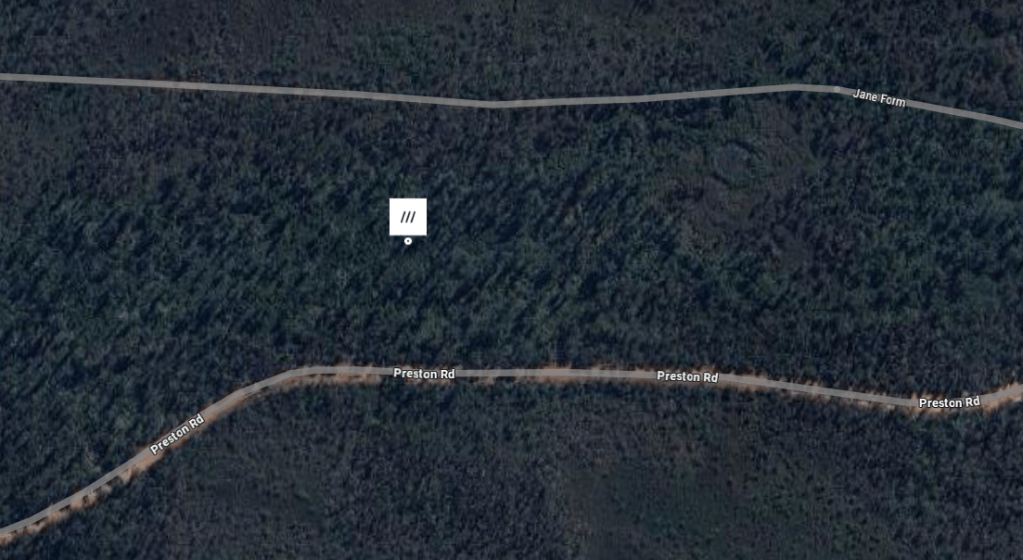
Open Street Map: -34.56150224068621, 116.37854865332379
What3Words: ///ignored.undersized.reason
Settled: 1950s
Gazetted: N/A
Abandoned: 1968
Abstract
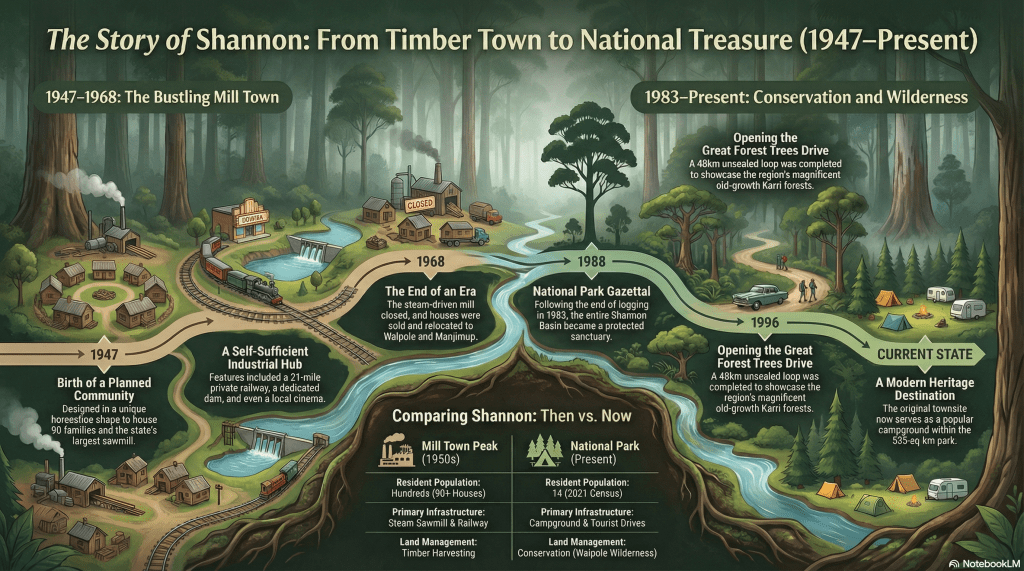
The history of Shannon is a narrative of Western Australia’s mid-20th-century industrial ambition and the subsequent rise of the environmental movement. Located in the Southern Forests, the area remained largely inaccessible to Europeans until the late 1940s, serving primarily as a summer droving route for dairy cattle. The end of World War II triggered an acute national housing shortage, prompting the State Government to exploit Shannon’s massive karri and jarrah reserves.
The resulting community was a triumph of early town planning, designed in a unique U-shape to foster self-sufficiency in the state’s remotest forest district. The social fabric was enriched by European immigrants and timber workers relocated from closed mills. However, the economic viability of the steam-driven mill waned as logging technology advanced and ownership shifted to private interests. The mill’s closure in 1968 marked the beginning of a long political and environmental battle for the “Shannon Basin,” culminating in its declaration as a National Park in 1988. Today, the site serves as a recreational hub, where remnants of house footings and fruit trees stand as silent witnesses to its industrial past.
History
The story of Shannon, a locality in the Shire of Manjimup, is inextricably linked to the majestic karri trees that dominate the landscape of Western Australia’s South West. For tens of thousands of years, this land was the home of the Menang (Mineng) people of the Noongar nation, who shaped the landscape through traditional fire management practices long before European arrival.1 2 3
Discovery and Early European Contact
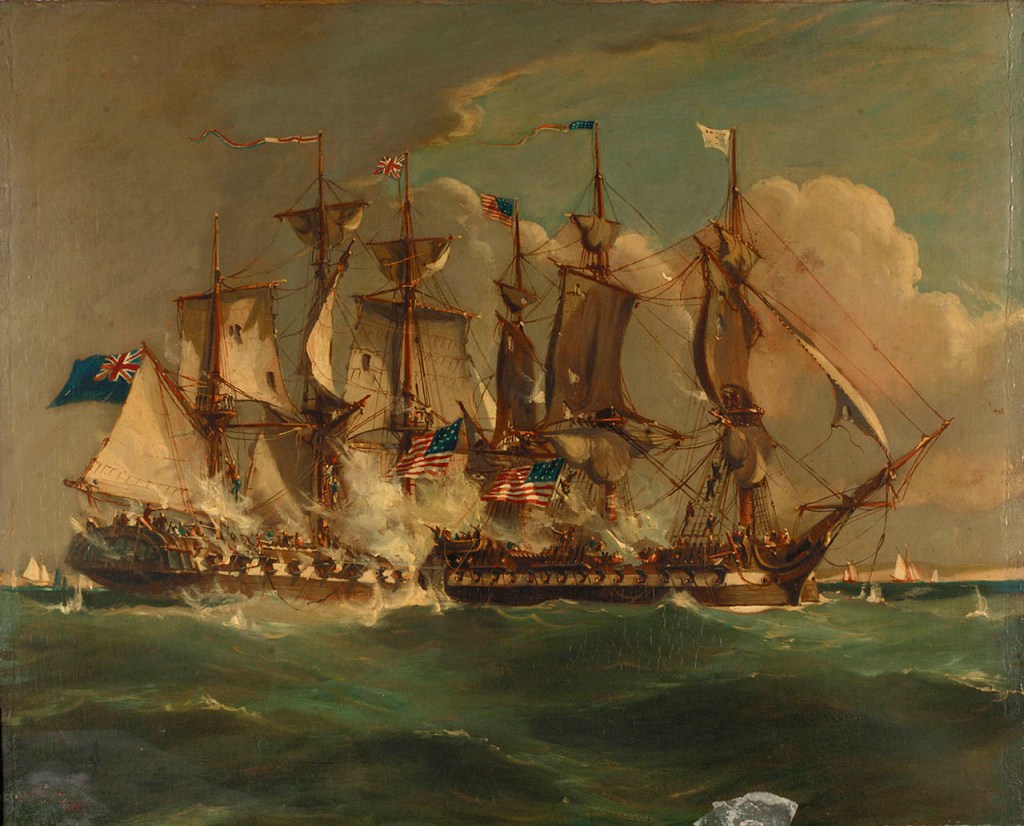
The European nomenclature of the area reflects the naval history of the British Empire. The locality and its river were named after the HMS Shannon, a Royal Navy frigate famous for defeating the USS Chesapeake in 1813. These names first appeared on a map published by John Arrowsmith in 1833. Despite this early mapping, the Shannon remained a “virginal” wilderness well into the 20th century. Its rugged terrain—a dense mix of wetlands, steep hills, and massive forest stands—made it inaccessible to early industrial exploitation.4 5 6
Prior to the 1940s, the only significant European use of the area was by dairy farmers from Bridgetown and Manjimup. They blazed a sandy track through the forest to drive their cattle to summer pastures on the south coast, allowing their home paddocks to recover. Although identified as a potential mill site as early as 1910, the forest remained untouched by the axe for decades.8 9
Economic Imperative and the Birth of a Town
The catalyst for Shannon’s rapid development was the end of World War II. Australia faced a desperate shortage of building materials for post-war housing, and the Commonwealth urged Western Australia to increase its timber output. In 1947, State Sawmills developed plans to tap into the massive karri reserves of the Shannon River catchment.10 11
Shannon was unique as one of Western Australia’s first towns to benefit from formal town planning. Designed in a horseshoe or U-shape, the settlement was built on the southern side of the Shannon River. At its height, the town hosted 90 mill houses, a school, a post office, a general store, a church, and a nursing station. To ensure water supply for the mill and the community, the Shannon Dam was constructed in 1949.12 13 14 15 16 17
Social Dynamics and Immigrant Life
The community of Shannon required a high degree of self-sufficiency due to its isolation. The workforce was a melting pot of displaced timber workers from northern mills, such as Hakea, and government-sponsored post-war migrants from Eastern Europe. These “New Australians” were often contracted to work for two years, contributing significantly to the construction of the mill and the town infrastructure.18 19
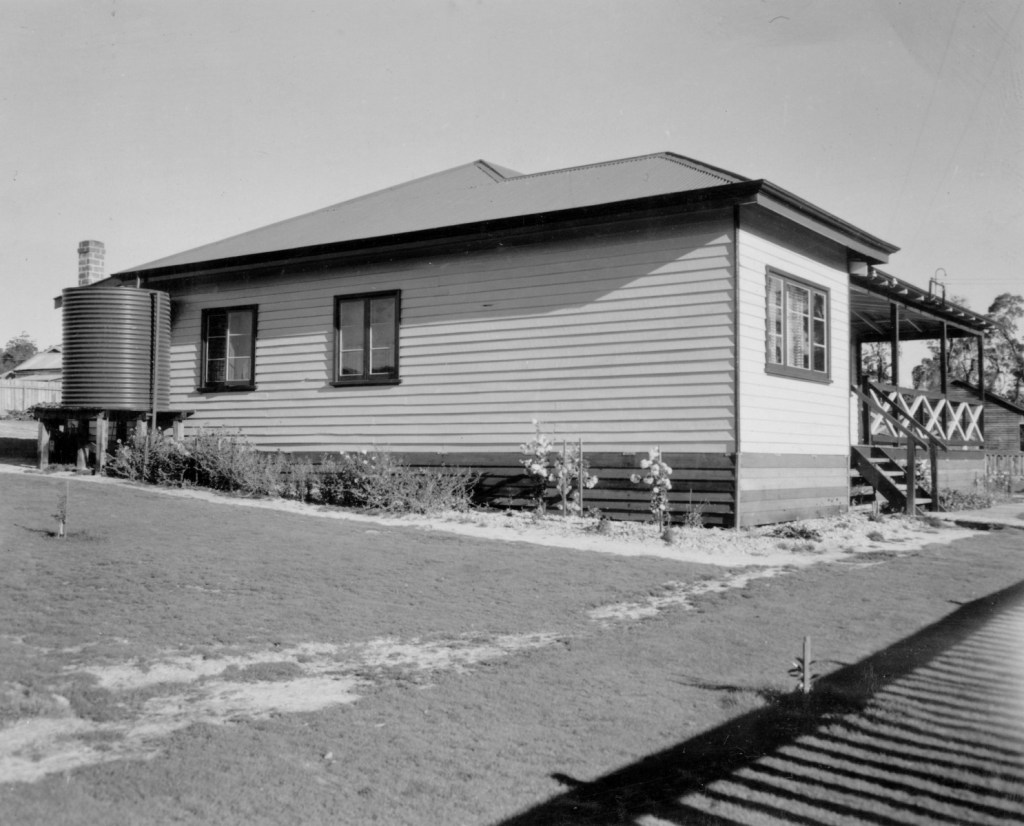
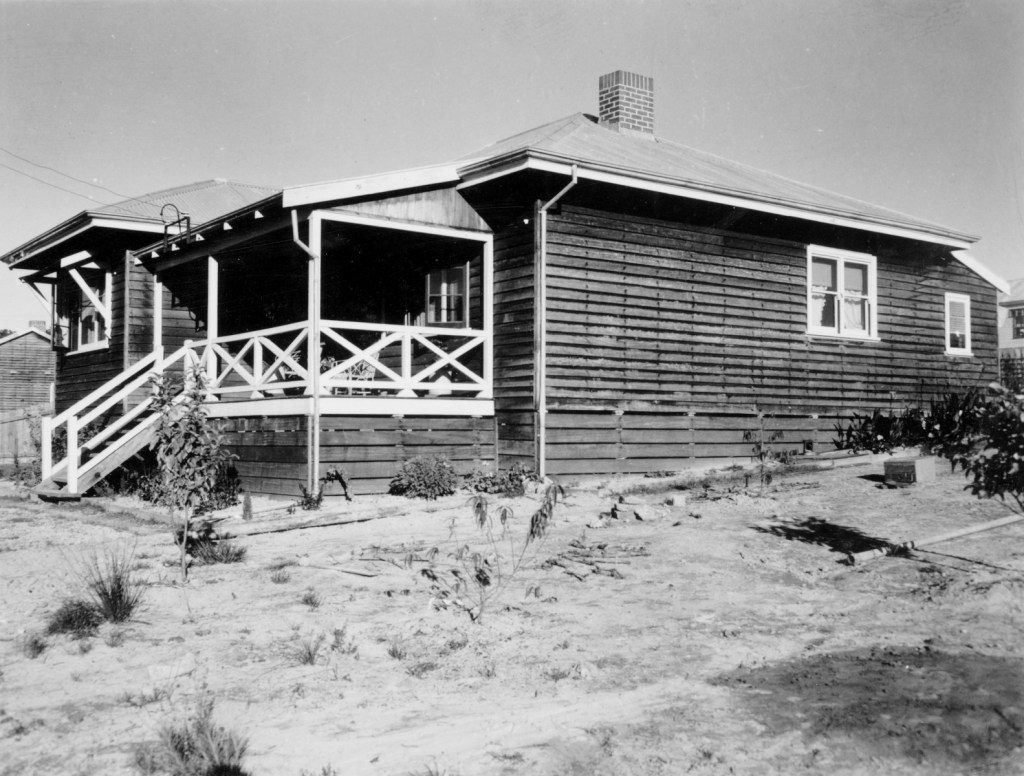
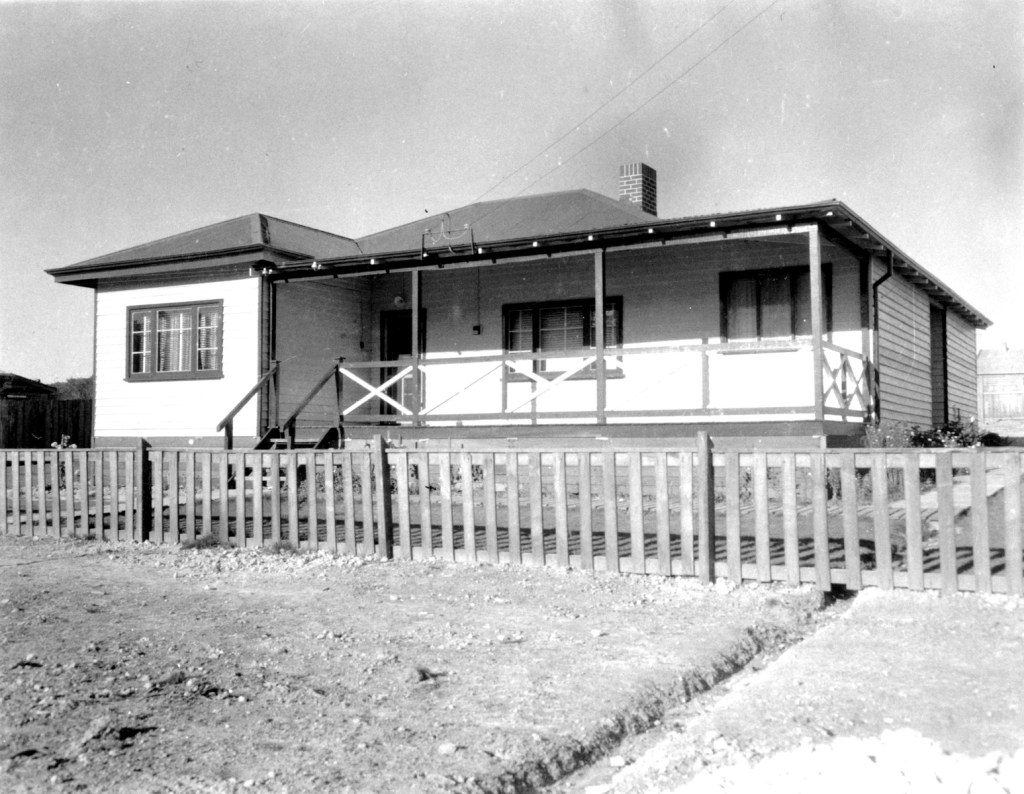
Life in the remote settlement was centred on community and sport. The town boasted an oval for cricket and football, a golf club, and a hall that screened movies throughout the 1950s. Despite the lack of running water in the early days and electricity that was often cut off after midnight, residents formed strong social bonds.21 22
Growth of Infrastructure: The Mill Railway
The industrial backbone of the community was the Shannon Mill, which became the largest in the state. To transport the sawn timber, a 21-mile private railway was constructed through heavy karri country to connect with the government line at Northcliffe. This line operated for 16 years, powered by locomotives like the SSM No. 7, which is now preserved in a park in Pemberton. The mill was a technological marvel of its time, capable of cutting 100-foot boat keels, but it remained a steam-driven facility even as more modern electric mills were developed elsewhere.24 25 26 27 28
Economic Decline and Closure
The decline of the Shannon community was driven by political shifts and economic modernisation. In 1961, the State Sawmills were sold to a British company, Hawker Siddeley Building Supplies, in a move that many local foresters viewed as a “ruthless” privatisation. The ageing, steam-powered Shannon mill struggled to compete with more modern facilities like the mill at Pemberton.29
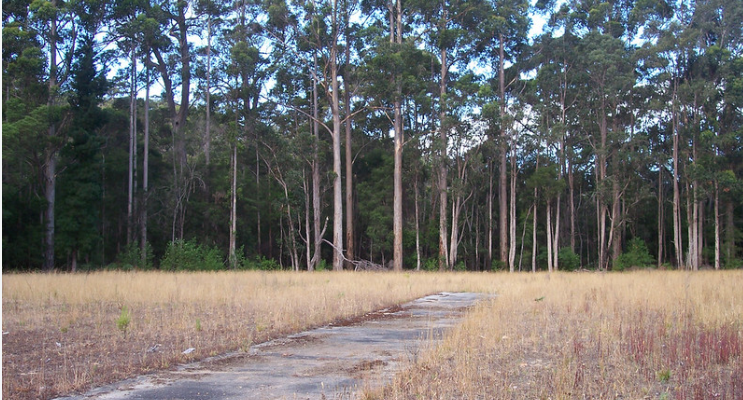
In 1968, the decision was made to close the mill. The town was quickly dismantled; the mill houses were sold and transported to other towns like Walpole and Manjimup, and the town hall was moved in the 1970s. By the end of the decade, the bustling hamlet had reverted to a quiet, empty site.30
Shannon Hall was moved to Walpole and reopened there in 1972. It now serves as the Walpole Community Centre.31
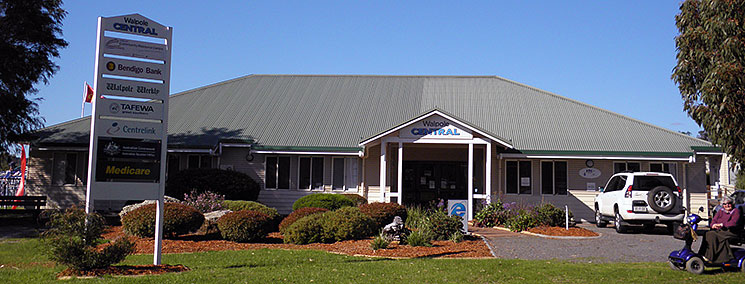
formerly Shannon Hall32
The Political Battle for the “Shannon Basin”
Although the mill had closed, logging continued in the Shannon catchment until 1983. During the 1970s, the area became a flashpoint for the burgeoning environmental movement. The Campaign to Save Native Forests (WA) campaigned vigorously for the preservation of the entire 58,000-hectare watershed, coining the term “Shannon Basin” and using it as a powerful symbol for forest conservation.
The election of the Labor Government under Premier Brian Burke in 1983 was the decisive political factor. The government immediately halted logging in the Shannon and moved to convert the state forest into a National Park. This transition was not without controversy, as the Forests Department initially opposed the reservation of the entire catchment, preferring a model of representative reserves.33 34 35
The National Park Era and Recent Use
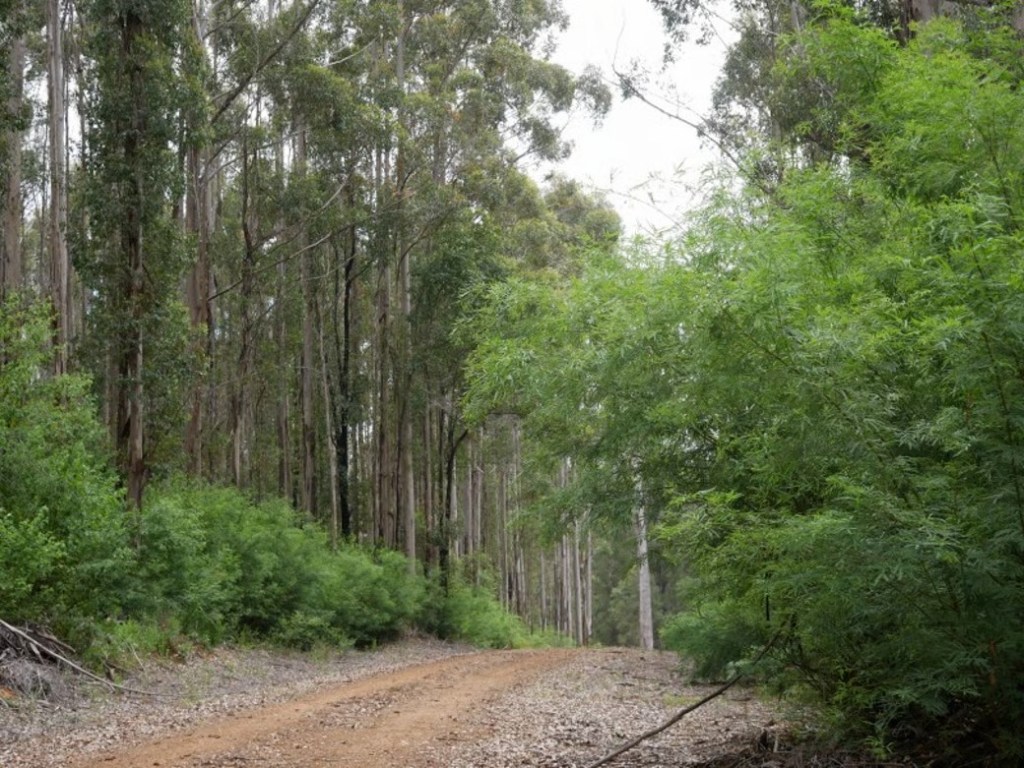
In December 1988, the Shannon was officially gazetted as a National Park. In 2004, it was incorporated into the larger Walpole Wilderness Area, an international biodiversity hotspot. The park now covers 53,500 hectares, protecting old-growth karri, jarrah, marri, and blackbutt forests, as well as wetlands and granite outcrops like Mokares Rock.
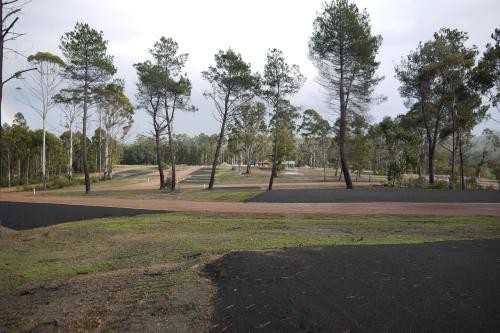
The site of the former town is now the Shannon Campground, which offers over 60 campsites and modern amenities. Tourism is the primary economic driver today, supported by the Great Forest Trees Drive, a 48-kilometre loop completed in 1996 that allows visitors to explore the park’s highlights, including the Shannon Dam and stands of giant trees.36 37
Environmental Challenges and Management
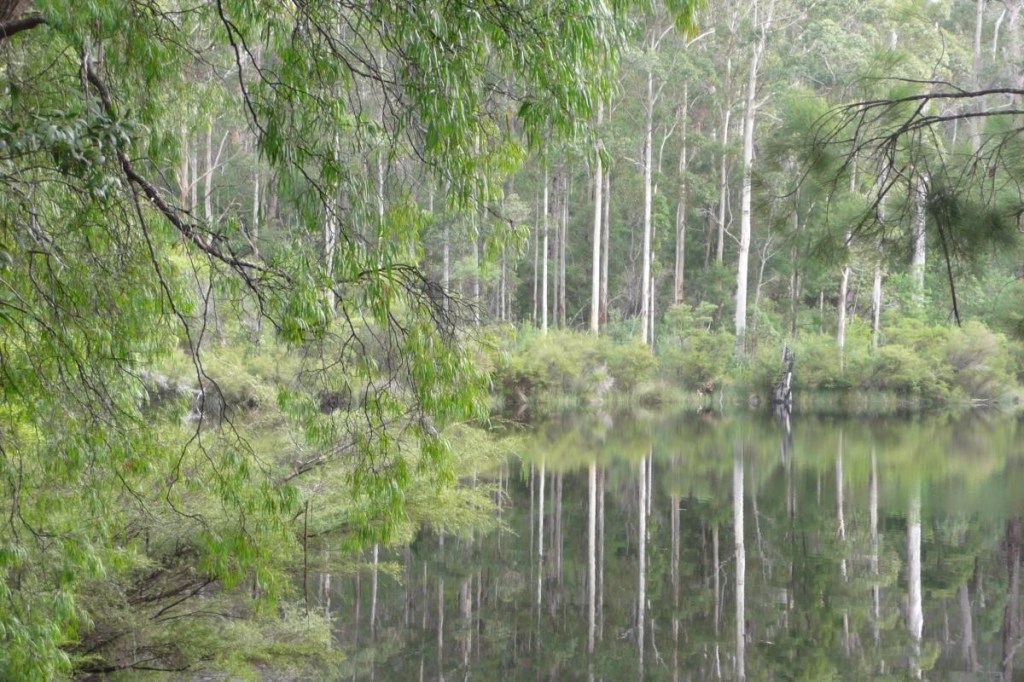
The transition to National Park status has brought new environmental challenges, particularly regarding fire management. A lack of active management and prescribed burning has been blamed by some for the severity of recent wildfires. In 2015 and 2016, the O’Sullivan fire devastated thousands of hectares of the park, reducing magnificent karri stands to dead stags and scrub. Despite these setbacks, the forest is returning with new life, and the area remains a critical habitat for native species like the quokka and the ancient mud minnow.
Remnants of the community still linger for those who look closely. Fruit trees still grow in cleared areas of the campground, and house footings and building foundations provide a tangible link to the workers and families who once called this remote forest home.39 40
Timeline
- 1813: The naval battle between HMS Shannon and USS Chesapeake provides the names for the future locality and its features.
- 1833: Names for geographical features in the area are first recorded on Arrowsmith’s map.
- 1910: Shannon is first identified as a potential sawmill site due to its karri forests.
- Late 1940s: State Sawmills begins timber cutting and infrastructure planning to address post-WWII timber shortages.
- 1947: Official plans are developed for the Shannon mill and settlement.
- 1948: Construction begins on the mill and townsite; workers from the closed town of Hakea are relocated here.
- 1949: The Shannon Dam and the 21-mile private railway line are completed.
- Early 1950s: Movie screenings begin in the town hall.
- 1961: The mill is sold to Hawker Siddeley Building Supplies.
- 1963: The Shannon mill railway line is discontinued.
- 1968: The Shannon Timber Mill and townsite are officially closed; houses are sold and moved to other regional centres.
- 1973: The Wood Chipping Industry Agreement Act triggers intensified environmental protests for the “Shannon Basin”.
- 1983: Logging in the Shannon Basin ceases following the election of the Burke Labor Government.
- 1988: Shannon is gazetted as a National Park in December.
- 1996: The 48-kilometre Great Forest Trees Drive is completed for tourism.
- 2004: Shannon National Park is integrated into the Walpole Wilderness Area.
- 2015-2016: The major O’Sullivan fire causes significant damage to the park’s karri stands.
Map
Sources
- Harrison, Jill (2011). Walking in the Shannon, Western Australia. Retrieved 24 Feb 2026 from https://lifeimagesbyjill.blogspot.com/2011/02/normal-0-false-false-false-en-au-x-none.html ↩︎
- Northcliffe Visitor Centre (2026). Shannon National Park. Retrieved 24 Feb 2026 from https://visitnorthcliffewa.com.au/shannon-national-park/ ↩︎
- Wikipedia (2026). Shannon, Western Australia. Retrieved 24 Feb 2026 from https://en.wikipedia.org/wiki/Shannon,_Western_Australia ↩︎
- ibid ↩︎
- WA Now and Then (n.d.) Shannon National Park. Retrieved 24 Feb 2026 from https://www.wanowandthen.com/Shannon-National-Park.html ↩︎
- Where The Shannon River Flows (1950, August 5). The West Australian (Perth, WA : 1879 – 1954), p. 22. Retrieved February 24, 2026, from http://nla.gov.au/nla.news-article47878883 ↩︎
- By Unknown author – https://www.rmg.co.uk/collections/objects/rmgc-object-12092, Public Domain. Retrieved 24 Feb 2026 from https://commons.wikimedia.org/w/index.php?curid=173910474 ↩︎
- Onfray, Robert (2022). Ignoring the legacy of active management to create a wilderness. Retrieved 24 Feb 2026 from https://www.robertonfray.com/2022/07/01/ignoring-the-legacy-of-active-management-to-create-a-wilderness/ ↩︎
- Northcliffe Community Resource Centre (2026). Where We Live: Northcliffe in a nutshell. Retrieved 24 Feb 2026 from https://www.northcliffe.org.au/where_we_live.html ↩︎
- 4X4 Australia (2024). Perth Escapes: Shannon National Park. Retrieved 24 Feb 2026 from https://www.4x4australia.com.au/explore/wa/perth-escapes-shannon-national-park ↩︎
- Onfray, 2022: refers to post-war timber requirements ↩︎
- Busselton Oral History Group Inc (2018). Interview with Charles Norman W. O. (Charlie) Broadbent by Heather Hill. Retrieved 23 Feb 2026 from https://encore.slwa.wa.gov.au/iii/encore/record/C__Rb6180258 ↩︎
- Wikipedia (2018). Shannon National Park. Retrieved 24 Feb 2026 from https://en.wikipedia.org/wiki/Shannon_National_Park ↩︎
- Onfray, 2022: refers to location of town ↩︎
- Northcliffe CRC: refers to design of town ↩︎
- 4X4 Australia: refers to town facilities ↩︎
- Trails WA (2025). Great Forest Trees Drive, Shannon NP. Retrieved 24 Feb 2026 from https://trailswa.com.au/trails/trail/great-forest-trees-drive?needToKnow=1 ↩︎
- Onfray, 2022: refers to town facilities ↩︎
- West Australian, 1950: refers to use of “New Australians” to build town ↩︎
- State Library of Western Australia (1952). Government Photographer collection; 816B/TB/131-133. Retrieved 24 Feb 2026 from https://encore.slwa.wa.gov.au/iii/encore/record/C__Rb2110023 ↩︎
- Busselton Oral History Group: refers to sport in the community ↩︎
- Cinema Treasures (2026). Shannon Hall. Retrieved 24 Feb 2026 from https://cinematreasures.org/theaters/53541 ↩︎
- InTheBush (2011). Abandoned Shannon Oval. Retrieved 24 Feb 2026 from https://api.flickr.com/photos/56581352@N08/albums/72157625727692233/ ↩︎
- WA Now and Then: refers to construction of mill ↩︎
- Lonely Planet (n.d.) Shannon National Park. Retrieved 24 Feb 2026 from https://www.lonelyplanet.com/points-of-interest/shannon-national-park/1229087 ↩︎
- West Australian, 1950: refers to large size of mill ↩︎
- Onfray, 2022: refers to railway ↩︎
- Busselton Oral History Group: refers to steam driven mill ↩︎
- ibid: refers to Hawker Siddeley ↩︎
- Wikipedia, 2018: refers to closure of the mill ↩︎
- Heritage Council of Western Australia (2021). Walpole Community Centre and Library. Retrieved 24 Feb 2026 from https://inherit.dplh.wa.gov.au/public/inventory/printsinglerecord/9b72616a-87f0-405a-8ea4-6f94990152dd ↩︎
- Walpole Online (2026). Community Resource Centre. Retrieved 24 Feb 2026 from https://walpoleonline.com/resource-centre/ ↩︎
- Harrison, 2011: refers to regeneration ↩︎
- WA Now and Then: refers to opening of national park ↩︎
- Northcliffe Visitor Centre: refers to the establishment of the park ↩︎
- Dept of Biodiversity, Conservation and Attractions (2026). Shannon National Park. Retrieved 24 Feb 2026 from https://exploreparks.dbca.wa.gov.au/site/shannon-campground ↩︎
- Lonely Planet: refers to the highlights of the park ↩︎
- Dept of Biodiversity, Conservation and Attractions (2026). Shannon National Park. Retrieved 24 Feb 2026 from https://exploreparks.dbca.wa.gov.au/park/shannon-national-park ↩︎
- Onfray, 2022: refers to fire management ↩︎
- Northcliffe CRC: refers to remaining links to old town ↩︎
- what3words (2026). Shannon – ///ignored.undersized.reason. Retrieved 24 Feb 2026 from https://what3words.com/ignored.undersized.reason ↩︎
 People of Western Australia's Ghost Towns