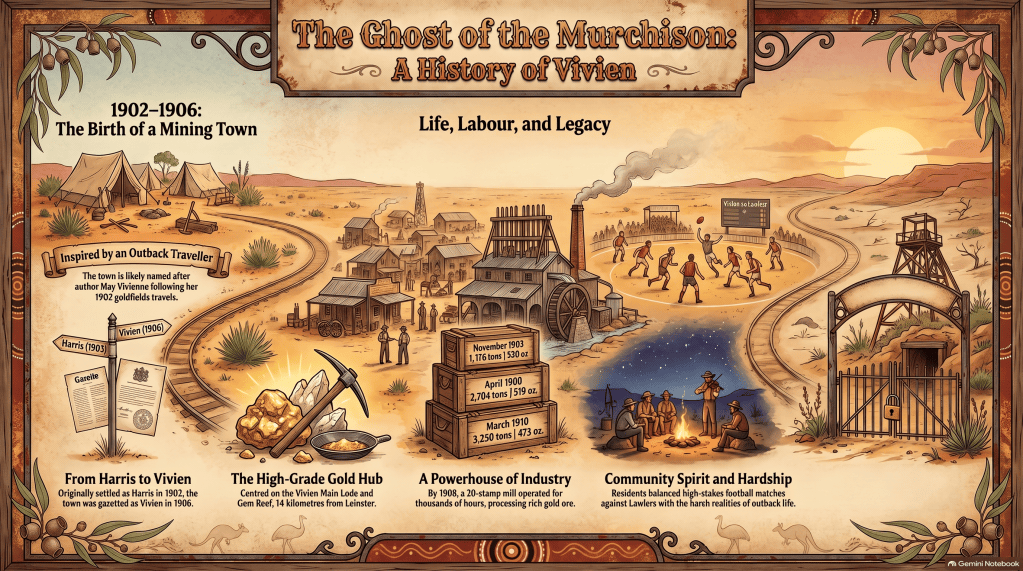
Christine Harris (2026)
Demographics
Region: Goldfields-Esperance
LGA: Leonora
Industry: Gold mining
Other Names: Harris, Vivian
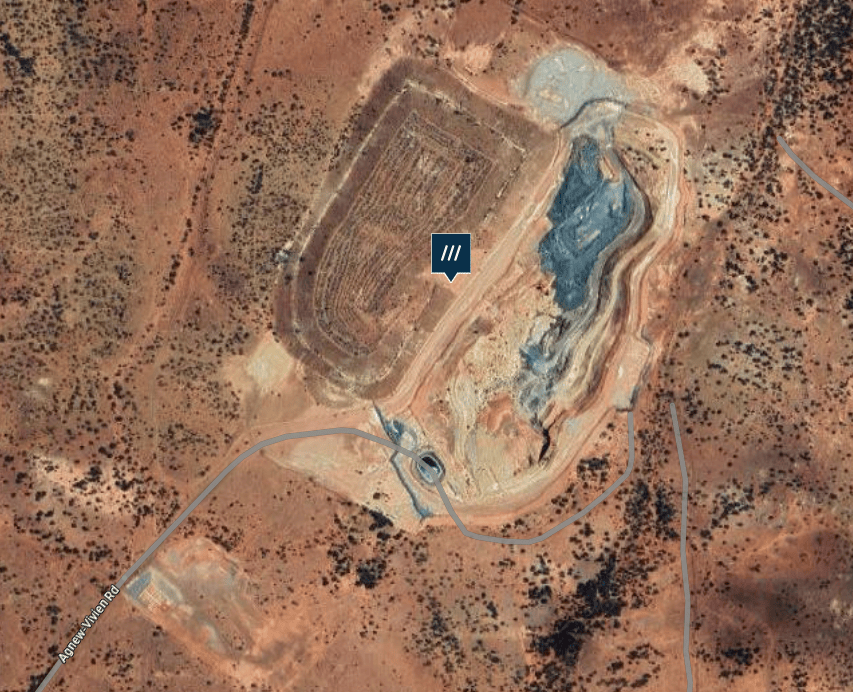
Open Street Map: -27.97563, 120.567
What3Words: ///implications.speeches.unleashed
Settled: 1902
Gazetted: 1906
Abandoned: 1927
Abstract
The town of Vivien, Western Australia, emerged in 1903 as the gold mining settlement of Harris. Renamed and officially gazetted in 1906, it was named to honour May Vivienne, a travel writer who popularised the local goldfields. The community’s economy was anchored by the Vivien Gold Mine and Vivien Formation deposits, managed scientifically by the London, England based firm Bewick, Moreing and Company.
Local social life thrived through sporting matches and community gatherings at the public hall. However, the townspeople faced harsh isolated conditions and severe industrial dangers, evidenced by fatal battery and blasting accidents, as well as the tragic loss of three infant children belonging to mine superintendent James Henry Grigg.
By late 1910, the exhaustion of the main ore body forced the mine’s closure, leading to the company’s voluntary winding up in early 1911. The final blow to the settlement came in May 1911, when the Vivien Hotel was destroyed by a series of three sudden fires in a single day. Following minor gold revivals at the Vivien Gem in the 1920s, modern mining ceased in January 2023, leaving the historic site on care and maintenance.
History
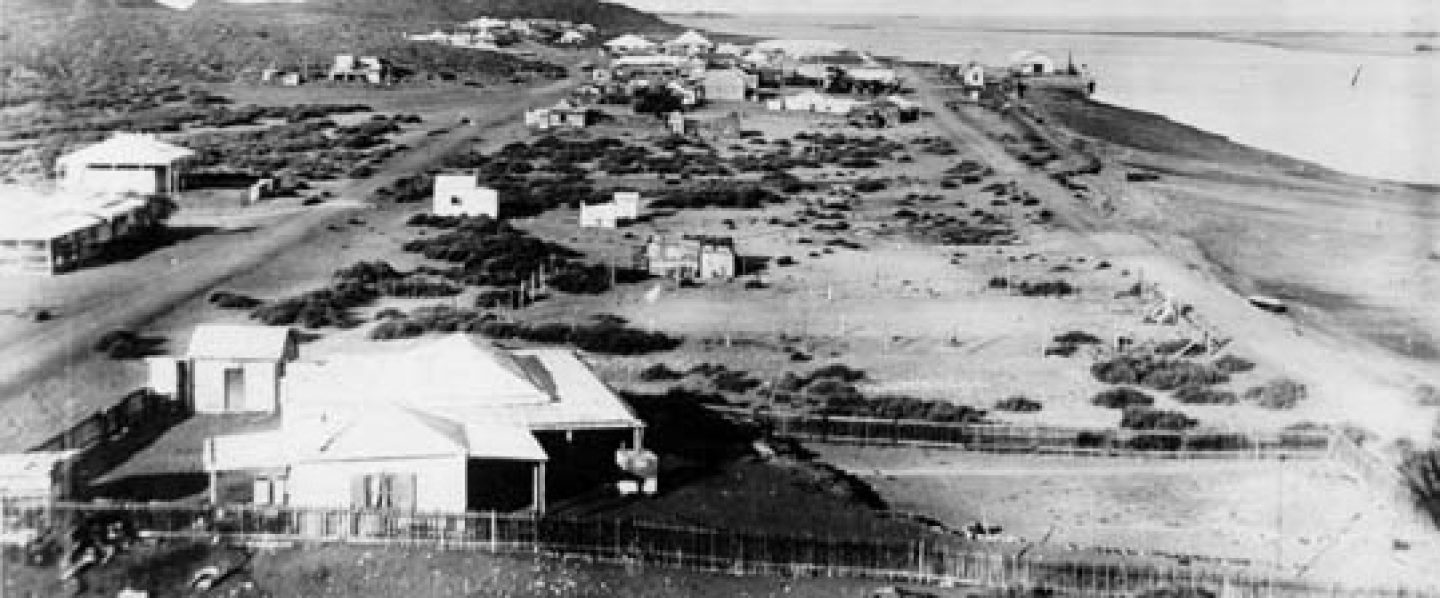
In the vast, arid expanse of the North Coolgardie and East Murchison goldfields of Western Australia, the ghost town of Vivien remains as a quiet testament to the fleeting booms of the early twentieth-century gold rushes. Situated approximately 967 kilometres north-east of the state capital of Perth, and only 14 kilometres west of the modern mining settlement of Leinster, Vivien exists today in a state of care and maintenance. Yet, during its brief but intense heyday in the first decade of the 1900s, this remote outpost was a bustling hub of industrial activity and community life.1 2 3
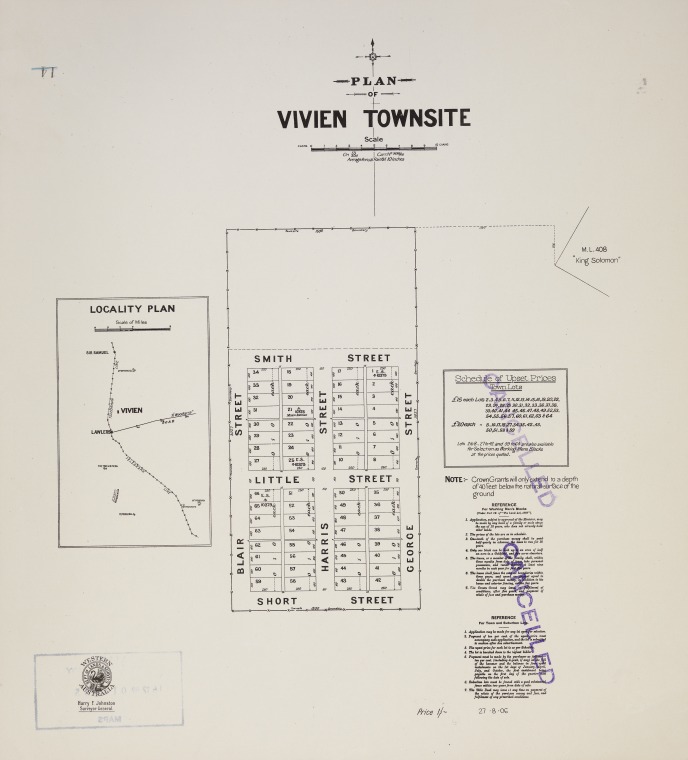
The town did not begin its life under the name of Vivien; rather, its earliest origins are tied to the name of Harris, which was established as a rudimentary settlement in 1903. It was during this year that miners and prospectors flocked to the area following promising gold discoveries, leading to the rapid development of a settlement centred around the main gold leases. By 1905, the local progress association, formally calling itself the Progress Committee of Harris or Vivien, petitioned the mining warden to arrange for additional town lots to be surveyed. The community was outgrowing its initial boundaries, and there was a pressing need for a formal townsite.4 5
When the Lands and Surveys Department considered the formal gazettal of the townsite, both Harris and Vivien were evaluated. The authorities initially regarded both names as somewhat unsuitable, which prompted them to ask the mining warden to suggest an alternative. However, the warden replied with strong support for the name Vivien, and the townsite was officially gazetted as Vivien in 1906. It is widely accepted by local historians that the town was named in honour of the author May Vivienne, whose popular travelogue, Travels in Western Australia, was published in 1902 and had charmed readers across the goldfields.6 7
The Vivien Gold Mine
At the heart of the community’s economic existence was the Vivien Gold Mine, which, together with the Vivien Gem Reef, formed the dual pillars of local industry. The Vivien Mine itself comprised six leases covering a total area of approximately 100 acres. The mine was opened up from a main inclined shaft, and it targeted a large, strong quartz reef that ran approximately north-north-east and south-south-west, with an underlay to the east-south-east. While the reef was generally of a rather low grade, it contained occasional patches of exceptionally good ore. These rich pockets of gold sustained the mine’s operations and generated considerable excitement in its early years.8
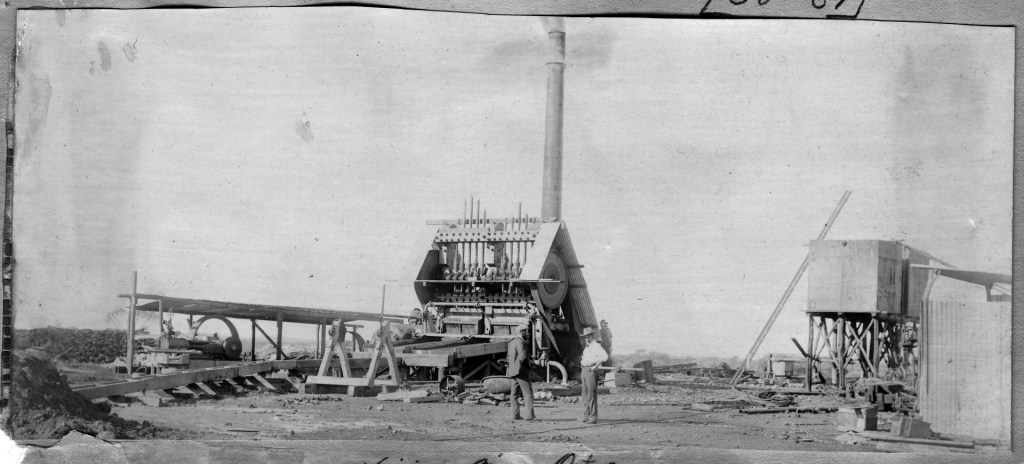
The scale of operations at the Vivien Mine was substantial. By October 1909, the mine had already produced over 169,589 tons of ore. The surface equipment was modern and highly efficient, featuring winding machinery, an air compressing plant, a 20-stamp mill, and a sophisticated treatment plant that utilised vacuum filter technology for the processing of accumulated slimes. In November 1903, the ten-head battery ran for 654 hours and crushed 1176 tons of ore, yielding 550 ounces of gold valued at 2333 pounds.10
Under the scientific management of the prominent engineering firm Bewick, Moreing and Company, working costs were kept at a bedrock minimum. In March 1910, the 20-head stamp mill ran for 645 hours, crushing 3230 tons of ore to produce 473 fine ounces of gold valued at 1998 pounds, while current slimes and accumulated slimes treatment brought the total monthly yield to 905 ounces valued at 3799 pounds. The average costs during this period were highly optimised; mining costs stood at six shillings and five pence per ton, treatment costs at nine shillings and eleven pence per ton, and general expenses at one shilling and eight pence per ton. This left a modest profit of 81 pounds for the month, demonstrating how tightly the margins were managed.11
Community Life in Vivien
Life in Vivien was not entirely dominated by the dark depths of the mine shafts; the townspeople built a vibrant social fabric that helped mitigate the harshness and isolation of the Australian bush. Sport played a central role in bringing the community together, with football and cricket serving as major highlights. On Sunday afternoons, the local football team met rivals from nearby Lawlers on the Harris’ ground for exciting matches. One such match in July 1905 resulted in a splendid, exciting tussle, which, pleasingly for the observers, was played without any unsportsmanlike incidents. In June 1906, another football match was played at Vivien against Lawlers, marking the opening of the local season.13 14
Cricket was another popular sport, with matches organised between neighbouring mining camps. In November 1905, an association match was played at the 19-Mile between Vivien and Kathleen Valley, resulting in a decisive win for the Kathleen Valley team, which scored 92 runs for the loss of four wickets against Vivien’s total of 35 runs.15
The cultural and political life of the town found a home in the Vivien public hall, which was erected using a combination of a government grant and private subscriptions. The hall served as a central meeting place for many years, hosting community events and political gatherings. For example, in March 1906, the political representatives Messrs Bath and Lynch, accompanied by the prominent local figure Paddy Lawler, visited the district and addressed a well-attended meeting at Harris’ ground. However, the harsh environmental conditions of the goldfields eventually took a heavy toll on the wooden structure; by September 1911, white ants had established themselves so thoroughly in the uprights and cross-beams that the hall was in a deplorable state of decay. This led to a contentious proposal by the Waroonga Progress Committee to dismantle the hall and relocate it to Waroonga, a move that some Lawlers business people resisted due to fears it would lead to the establishment of a rival townsite.16 17
The People of Vivien
The human cost of extracting gold from the Vivien reef was high, and the local cemetery at Lawlers contains the unmarked graves of several men who lost their lives in the service of the mine. Among these was Hilding Aberg, a Swedish miner also known as Joseph Berry, who died on 24 March 1904 at the age of thirty. Aberg, a shift boss who was considered a highly careful and practical miner, was killed by an explosion of gelite at the No. 2 level of the Vivien Mine. His colleague, Patrick Dineen, testified at the inquest that he had warned Aberg twice to come away because he was staying too long to spit a stubborn fuse, but Aberg remained until the charge exploded. He was buried in Plot 17, Section D of the Lawlers Cemetery.19 20
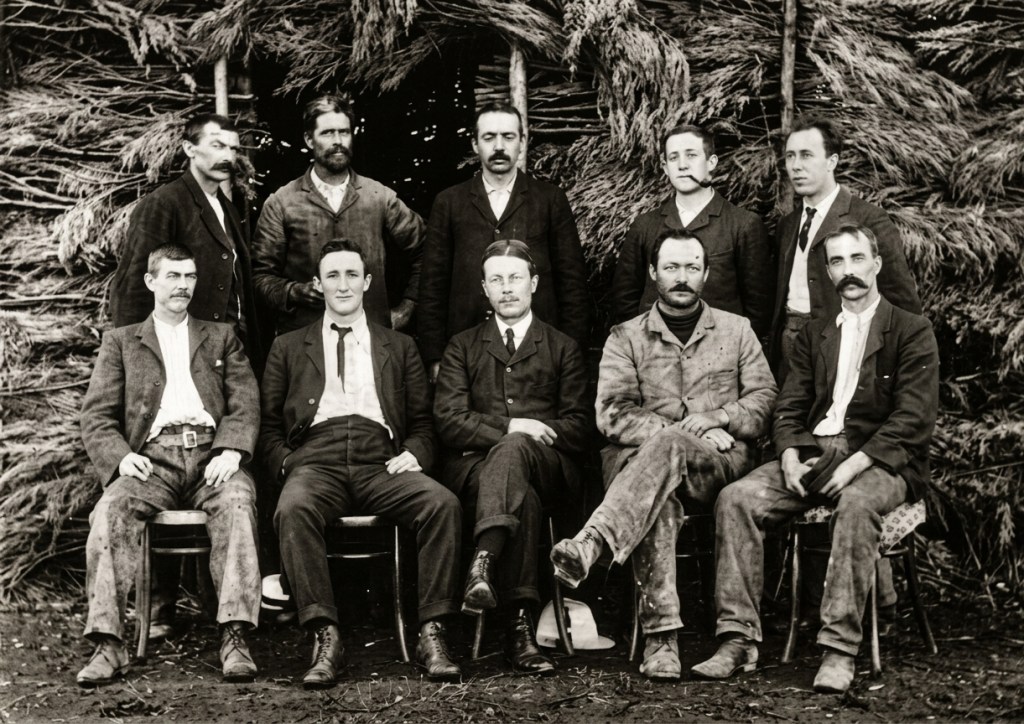
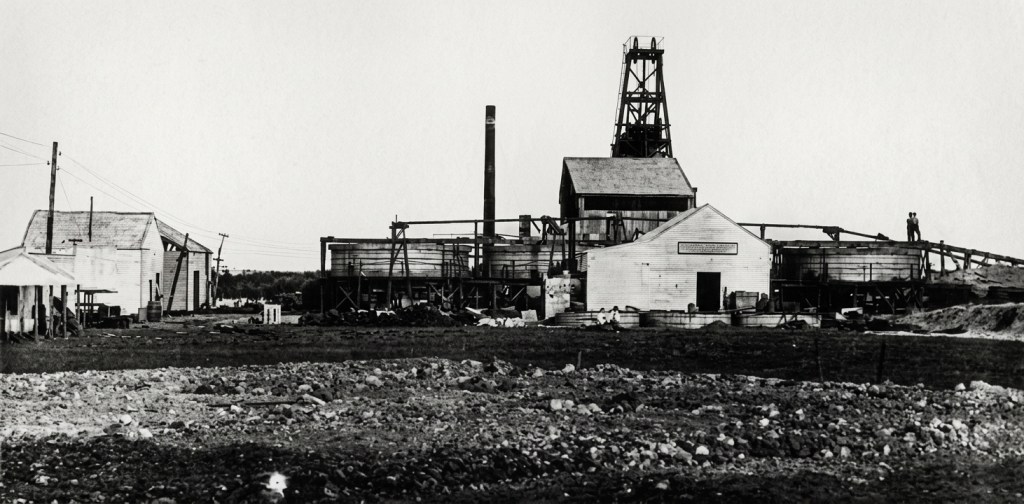
Another tragic mining death occurred on 16 November 1903, when Charles Richard Massey, a twenty-nine-year-old miner from Chester, England, was caught in the machinery at the Vivien battery. Massey had run away to sea as a young boy and eventually made his way to the Western Australian goldfields. While repairing a belt at the battery, his clothes were caught in the shafting, and his leg was nearly torn off by a pulley-wheel, leading to fatal blood loss and shock. Mine manager Walter Broadbridge and several colleagues, including skipman Purdie and engine-driver Sheridan, gave detailed evidence at the subsequent inquest, which ultimately determined that no blame was attachable to the management.22
Other casualties of the era included Battista Pietro Cometti, an Italian miner from Lombardy who suffocated in sand pass No. 8 in a tragic underground accident, and John Corboy, a wood-cutter at the mine who succumbed to double pneumonia. William Evans, a miner at the Vivien Gem, met a bizarre end when his spring dray overturned on a dark night after striking a tree stump, pinning his throat against the dray’s rail.23
Family life in Vivien was marked by the high child mortality rates typical of the early goldfields, where isolated conditions and limited medical care posed severe risks to mothers and children alike. James Henry Grigg, the mine superintendent, and his wife, Harriet Lark, experienced this heartbreak firsthand. They lost three of their children in quick succession: one-year-old Violet May died of convulsions in February 1904; an unnamed daughter was stillborn in June 1907; and four-month-old Vivien Herbert died of heart failure in March 1909. Complications from Vivien’s birth were so severe that Harriet was confined to the hospital under the care of Dr Antonio J. J. Triado, the prominent resident physician of Lawlers. Despite these tragedies, the Grigg family persevered, raising ten children in total before eventually returning to the United Kingdom in 1914.24
Economic, Environmental, and Political Factors
The survival of the Vivien community was constantly shaped by its physical environment and the tyranny of distance. One of the most critical environmental challenges was the securing of a reliable fuel supply. The mine’s heavy machinery, winding engines, and 20-stamp mill consumed vast quantities of timber, and the surrounding mulga woodlands were rapidly depleted by wood-cutters like John Corboy. By October 1909, the future of the Vivien Mine was recognised as being entirely bound up with the securing of cheaper supplies of firewood. The local community placed great political pressure on the state government to construct a promised railway line from Leonora to Lawlers, which would have dramatically reduced the cost of carting timber and machinery.25
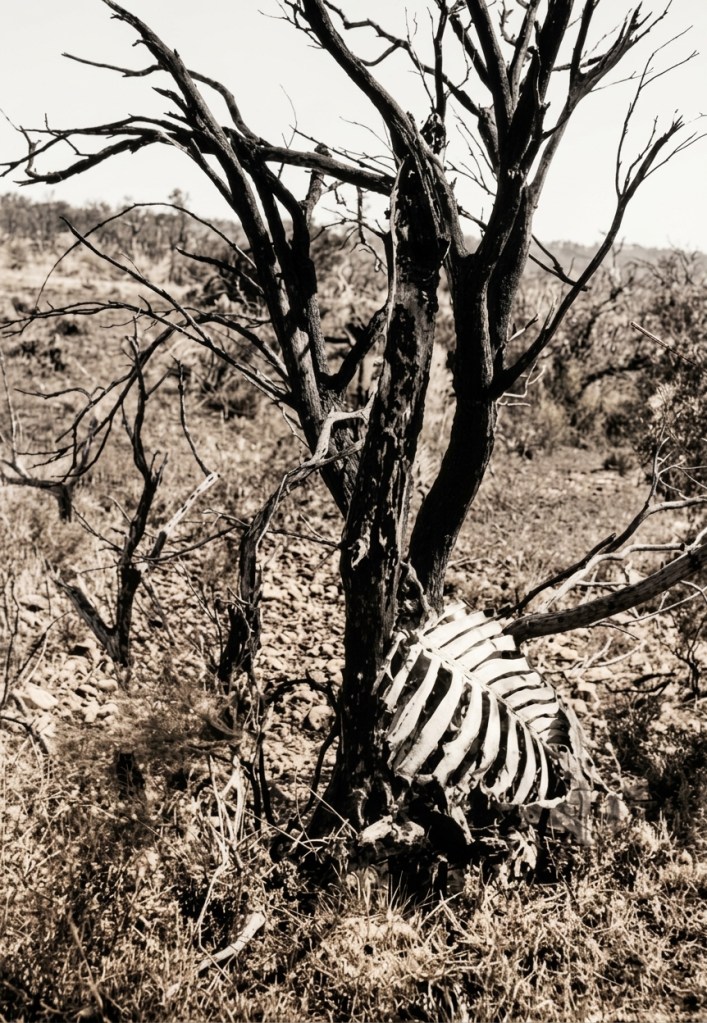
Transportation of goods to this remote outpost relied on heavily loaded donkey and camel teams, which carried supplies across the dry, sandy tracks from Leonora. The harshness of the environment was illustrated by a famous contemporary photograph of a camel that met its death by getting its head jammed in the fork of a mulga tree.26
Water management was another constant challenge, as the mines frequently encountered heavy, water-logged ground at depth. While water was essential for the treatment plants and the boilers, excessive water in the shafts threatened to collapse the workings. Sinking the main vertical shaft of the Vivien Gem to 150 feet was a highly troublesome task due to the sodden and heavy nature of the ground, which eventually led to the resignation of mine manager Archie Graham in 1925. His successor, Fred Deckert, had to secure a new pump from Kalgoorlie to replace the discarded “Snow” pump in order to keep the water under control so that mining could proceed. Similarly, the pastoral industry in the surrounding area was heavily dependent on natural springs and wells, such as the Vivien Common at Harris where John Smith registered his livestock brand, LJ8, in 1912 to secure his grazing rights on the common land.28 29
The Decline of Vivien
The end of Vivien’s first boom was heralded by the exhaustion of its main ore reserves and a spectacular disaster that destroyed the town’s social centre. By late 1910, despite vigorous development work on the No. 3 and intermediate levels of the Vivien Mine, no further payable ore bodies were discovered. In December 1910, the company announced that the payable ore had been completely exhausted and that the mine would shut down. Efforts to let the mine on tribute failed due to the extremely low grade of the remaining quartz. At an extraordinary general meeting of the Vivien Gold Mining Company, Ltd., held on 14 March 1911 at Copthall Avenue in London, the shareholders voted voluntarily to wind up the company. Instructions were sent to pay off all remaining hands, bringing an end to the primary source of employment in the district.30
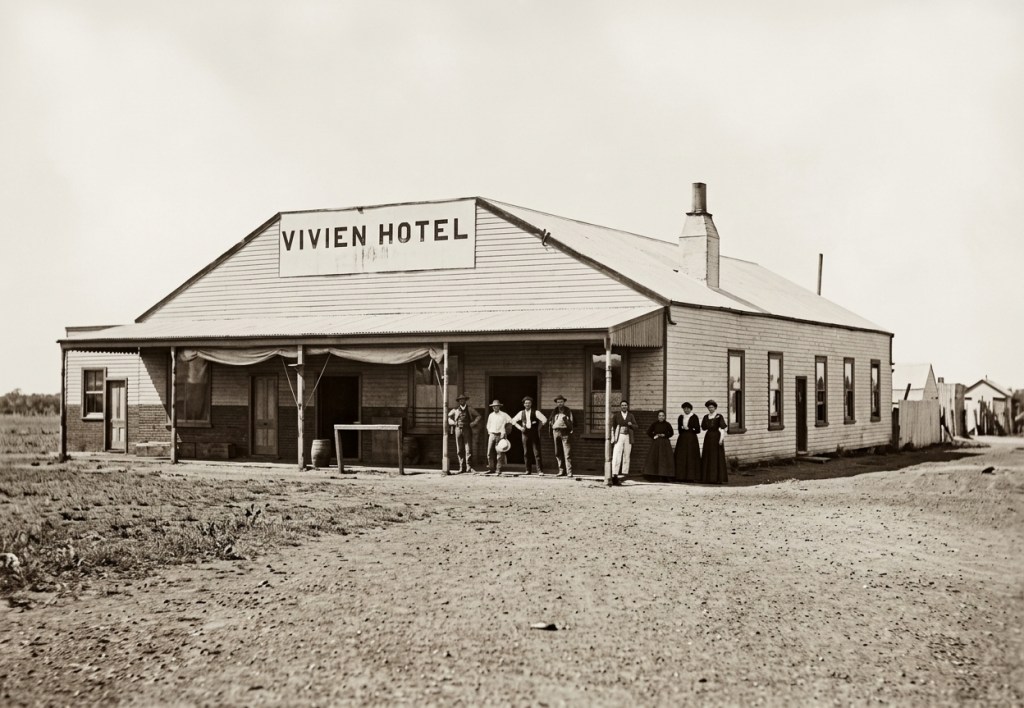
Just as the economic life of the town was ebbing away, its social hub met a dramatic end. In May 1911, the Vivien Hotel, situated eight miles from Lawlers and managed by Mrs D. D. Hickey, was completely destroyed by fire. The ordeal began on a Thursday afternoon, when Mrs Hickey served drinks to three patrons in the bar. Soon after, Miss O’Shea, the domestic servant, heard a crackling noise in the kitchen and discovered that straw packing in beer cases had ignited. Although the patrons managed to extinguish this first blaze, the fire broke out again twice during the night. By Friday morning, the hotel had been burnt to the ground, with almost all its stock and furniture demolished.31
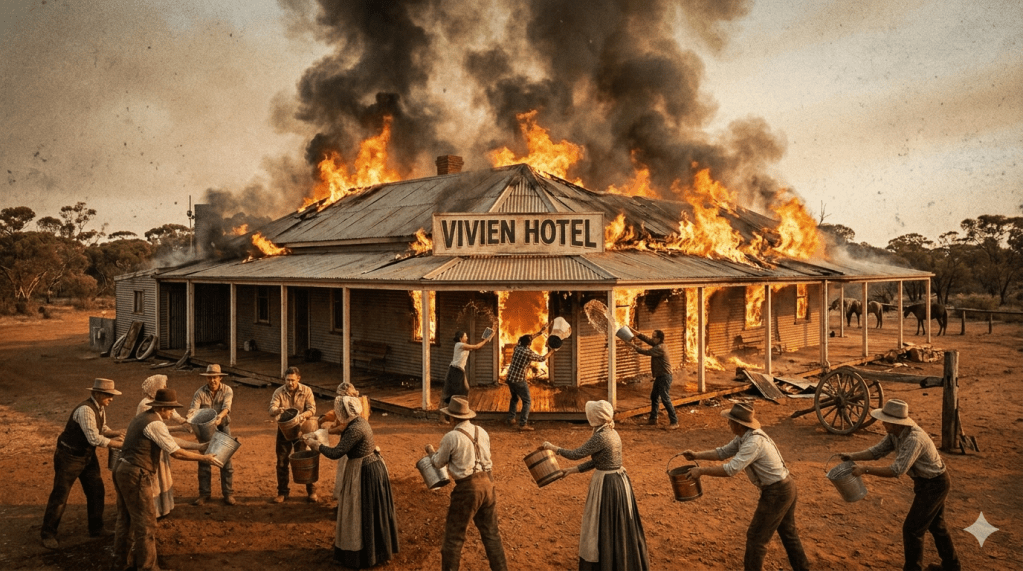
A formal inquiry was conducted by Warden A. G. Clifton and Corporal Cunningham, who arrived at the scene in a Cobb and Co motor car. A jury consisting of local residents W. Fawcett, C. B. Pell, and J. O’Connor investigated the origin of the fire, noting that the property was insured for 2000 pounds. The loss of the hotel, combined with the closure of the big mine, effectively sealed the fate of the townsite, and many residents drifted away to other goldfields.
Vivien Today
Following the collapse of the original mining leases, Vivien experienced periodic revivals. In the mid 1920s, the Vivien Gem Gold Mining Company was formed to exploit the Vivien Gem Reef, undertaking substantial shaft-sinking and erecting a battery to treat payable crushings. Under managers like Fred Deckert and later Mr McLean, the syndicate made steady progress despite high cartage costs. In 1924, J. H. O’Meagher registered the OM8 brand for his livestock at the Vivien property, indicating that pastoral activities continued to coexist with these small-scale mining operations.32
In the modern era, the Vivien site has seen high-grade underground gold mining, most recently operated up until January 2023. On 11 January 2023, mining operations ceased once again, and by February of that year, all plant, equipment, and infrastructure had been demobilised, leaving the historic site on care and maintenance under the ownership of Gorilla Gold Mining Limited. Today, the quiet ruins of Vivien, nestled in the Western Australian outback, serve as a rich repository of local history and a poignant reminder of the brave pioneers who once carved a community out of the red desert sands.
Timeline
- 1894: Patrick Paddy Lawler discovers gold, leading to the establishment of the neighbouring town of Lawlers.
- 1902: May Vivienne publishes her popular book Travels in Western Australia, which later inspires the town’s permanent name.
- 1903: The mining settlement of Harris is established, serving as the nucleus of the early gold mining community.
- 1903: The ten-head battery at the Vivien Mine processes 1176 tons of ore to produce 550 ounces of gold in November.
- 1904: Shift boss Hilding Aberg is killed in a dynamite explosion at the No. 2 level of the Vivien Mine.
- 1905: The Progress Committee of Harris or Vivien petitions the mining warden for the survey of additional town lots.
- 1906: The townsite is officially gazetted as Vivien, replacing the earlier name of Harris.
- 1906: Political representatives Bath and Lynch visit the district to address a public meeting.
- 1907: The mining town of Eulaminna near Leonora changes its name from Anaconda due to confusion on the London copper market.
- 1908: The 20-stamp mill at the Vivien Mine runs for 618 hours during April, crushing 2704 short tons of ore.
- 1909: The future of the Vivien Gold Mine is described as heavily dependent on the arrival of a promised railway line to reduce firewood cartage costs.
- 1910: The Vivien Mine’s main ore reserves are completely exhausted by December, prompting the shutdown of the workings.
- 1911: Shareholders of the Vivien Gold Mining Company, Ltd. vote to voluntarily wind up the company at a London meeting on 14 March.
- 1911: The Vivien Hotel, managed by Mrs D. D. Hickey, is destroyed by three separate fire outbreaks on a single day in May.
- 1911: The Progress Committee of Waroonga seeks to dismantle and relocate the Vivien public hall due to severe white ant damage.
- 1926: The Vivien Gem Syndicate erects a new battery to process highly payable ore from the re-established workings.
- 2023: Modern underground mining operations at the Vivien site cease on 11 January, and the property is placed on care and maintenance.
Map
Sources
- Sharp, Moya (n.d.) Vivien. Retrieved 3 Sep 2026 from https://outbackfamilyhistory.com.au/records/record.php?record_id=711&town=Vivien ↩︎
- Wikipedia (2011). Vivien, Western Australia. Retrieved 3 Sep 2026 from https://en.wikipedia.org/wiki/Vivien,_Western_Australia ↩︎
- THE VIVIEN GOLD MINING CO., LTD, (1909, October 23). Western Mail (Perth, WA : 1885 – 1954), p. 24. Retrieved September 3, 2026, from http://nla.gov.au/nla.news-article37400701 ↩︎
- MDO (2026). Vivien Mine. Retrived 3 Sep 2026 from https://miningdataonline.com/property/3249/Vivien-Mine.aspx ↩︎
- Kiddle (2026). Vivien, Western Australia facts for kids. Retrieved 3 Sep 2026 from https://kids.kiddle.co/Vivien,_Western_Australia ↩︎
- Morawa Historical Society (n.d.) Vivien – alternate name – Harris. Retrieved 3 Sep 2026 from https://morawamuseum.org.au/ghosttowns/U-V.pdf ↩︎
- Landgate (2022). Historic Town Names. Retrieved from the web archive, Wayback Machine, on 3 Sep 2026 from https://web.archive.org/web/20220314101618/http://www0.landgate.wa.gov.au/maps-and-imagery/wa-geographic-names/name-history/historical-town-names#V ↩︎
- VIVIEN. LAWLERS (1904, December 25). Western Mail (Perth, WA : 1885 – 1954), p. 76. Retrieved September 3, 2026, from http://nla.gov.au/nla.news-article37805775 ↩︎
- State Library of Western Australia (n.d.) Vivien Mine, Western Australia, 1903. Photograph by Lou Henry Hoover, 1847-1944, published in “Photographs of Herbert Hoover’s tour of Western Australian mines, 1903. Retrieved 1 Sep 2026 from https://purl.slwa.wa.gov.au/slwa_b7400669_1 ↩︎
- VIVIEN. (1903, December 15). Kalgoorlie Western Argus (WA : 1896 – 1916), p. 18. Retrieved September 3, 2026, from http://nla.gov.au/nla.news-article32736990 ↩︎
- VIVIEN. (1910, March 22). Kalgoorlie Western Argus (WA : 1896 – 1916), p. 44. Retrieved September 3, 2026, from http://nla.gov.au/nla.news-article33334299 ↩︎
- THE PROPOSED RAILWAY TO LAWLERS—VIEWS OF THE DISTRICT. Photograph of the Vivien Hotel (1909, October 9). Western Mail (Perth, WA : 1885 – 1954), p. 24. Retrieved September 3, 2026, from http://nla.gov.au/nla.news-article37405437 ↩︎
- FOOTBALL (1905, July 8). East Murchison News (WA : 1901 – 1911), p. 2. Retrieved September 3, 2026, from http://nla.gov.au/nla.news-article253486582 ↩︎
- FOOTBALL. (1906, June 22). East Murchison News (WA : 1901 – 1911), p. 3. Retrieved September 3, 2026, from http://nla.gov.au/nla.news-article253578067 ↩︎
- KATHLEEN VALLEY V. VIVIEN. (1905, November 25). East Murchison News (WA : 1901 – 1911), p. 2. Retrieved September 3, 2026, from http://nla.gov.au/nla.news-article253488672 ↩︎
- THE VIVIEN HALL. (1911, September 22). East Murchison News (WA : 1901 – 1911), p. 2. Retrieved September 3, 2026, from http://nla.gov.au/nla.news-article253584962 ↩︎
- MEETING AT VIVIEN. (1906, March 3). East Murchison News (WA : 1901 – 1911), p. 2. Retrieved September 3, 2026, from http://nla.gov.au/nla.news-article253577632 ↩︎
- State Library of Western Australia (n.d.) Plan of Vivien Townsite. Retrieved 1 Apr 2026 from https://purl.slwa.wa.gov.au/slwa_b1982682_1 ↩︎
- Sharp, Moya (2017 Dec 10). Mining Deaths – Lawlers Snapshot. Retrieved 3 Sep 2026 from https://www.outbackfamilyhistoryblog.com/mining-deaths-lawlers-snapshot-3/ ↩︎
- Outback Graves Markers (n.d.) Hilding ABERG. Retrieved 3 Sep 2026 from https://outbackgraves.org/burial-records/person/807 ↩︎
- (1904, May 24). Kalgoorlie Western Argus (WA : 1896 – 1916), p. 20. Retrieved September 3, 2026, from http://nla.gov.au/nla.news-page4130356 ↩︎
- The Vivien Accident. (1903, December 24). The Mt. Leonora Miner (WA : 1899 – 1910), p. 2. Retrieved September 3, 2026, from http://nla.gov.au/nla.news-article233203602 ↩︎
- Outback Graves Markers (n.d.) Various search results – Vivien. Retrieved 3 Sep 2026 from https://outbackgraves.org/burial-records/burial-search/?Name=&Keywords=Vivien&action_OGMSearch=Search ↩︎
- Sharp, Moya (2017 Dec 09). Lawlers Cemetery – Snapshot – all the little children. Retrieved 3 Sep 2026 from https://www.outbackfamilyhistoryblog.com/lawlers-cemetery-snapshot-little-children/ ↩︎
- PROPOSED RAILWAY FOR LAWLERS. (1909, October 9). Western Mail (Perth, WA : 1885 – 1954), p. 14. Retrieved September 3, 2026, from http://nla.gov.au/nla.news-article37405606 ↩︎
- VIVIEN GEM. (1926, January 12). The West Australian (Perth, WA : 1879 – 1954), p. 8. Retrieved September 3, 2026, from http://nla.gov.au/nla.news-article31901840 ↩︎
- THE PROPOSED RAILWAY TO LAWLERS—VIEWS OF THE DISTRICT. Photograph captioned “A remarkable photograph showing how a camel met its death through getting its head jammed in the fork of a mulga tree”. (1909, October 9). Western Mail (Perth, WA : 1885 – 1954), p. 24. Retrieved September 3, 2026, from http://nla.gov.au/nla.news-article37405437 ↩︎
- VIVIEN GEM G.M. (1925, June 23). The Kalgoorlie Miner (WA : 1895 – 1954), p. 1. Retrieved September 3, 2026, from http://nla.gov.au/nla.news-article93907018 ↩︎
- Carnamah Historical Society (n.d.) WA Livestock Brands 1912-1962. Retrieved 3 Sep 2026 from https://www.carnamah.com.au/livestock-brands?keyword=Vivien ↩︎
- VIVIEN GOLD MINING COMPANY. (1911, April 14). The Kalgoorlie Miner (WA : 1895 – 1954), p. 3. Retrieved September 3, 2026, from http://nla.gov.au/nla.news-article90989500 ↩︎
- FIRE AT VIVIEN. (1911, May 23). East Murchison News (WA : 1901 – 1911), p. 2. Retrieved September 3, 2026, from http://nla.gov.au/nla.news-article253584465 ↩︎
- VIVIAN GEM (1926, March 31). The Kalgoorlie Miner (WA : 1895 – 1954), p. 1. Retrieved September 3, 2026, from http://nla.gov.au/nla.news-article93886857 ↩︎
- What3Words.com (2026). Location of the former Vivien townsite in 2026. Retrieved 2 Sep 2026 from https://what3words.com/implications.speeches.unleashed ↩︎
Further Reading
- Vivienne, May. Travels in Western Australia. Available 2026 from Eastern Goldfields Historical Society.
- Harris, Christine (2026 Jun 01). Third Time Unlucky – https://ghostswa.au/2026/06/01/vivien-hotel/
Versions
| Date | Changes |
|---|---|
| 3 Sep 2026 | Version 0.1 – First draft |
| 6 Sep 2026 | Version 1.0 – First published |

