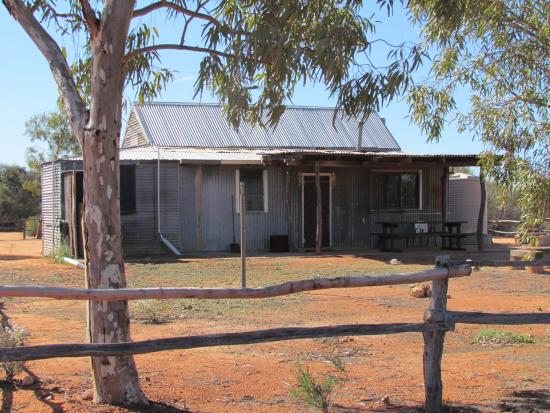
One of the question we are frequently asked is “What is meant by the term “Ghost Town”? What follows is an attempt to answer that question.
A ghost town is a term used to describe a once-thriving or populated settlement or community that has been largely abandoned and has few or no permanent residents remaining. These towns typically experienced a decline in economic activity or some other significant change in circumstances that led to their abandonment. There are various reasons why a town may become a ghost town, including:
- Economic downturn: Many ghost towns were originally established as mining towns or as centers of economic activity linked to industries like mining, timber, agriculture, or manufacturing. When these industries declined or collapsed, people left in search of better opportunities elsewhere.
- Resource depletion: In cases where a town’s existence was tied to the extraction of a finite resource, such as coal or minerals, once those resources were exhausted, the town often declined and was abandoned.
- Changes in transportation: The construction of new transportation routes, such as highways or railroads, can bypass existing towns, leading to their economic isolation and eventual decline.
- Project completion: In Western Australia many of our ghost towns grew up to support the development of huge infrastructure projects, such as the Goldfields Pipeline, the Trans-Australian Railway, and the construction of water and power infrastructure. When the projects were completed, the people moved on to the next one.
- Government actions: In some instances, government policies or decisions, such as the establishment of new national parks or the relocation of communities for various reasons, have resulted in towns being abandoned.
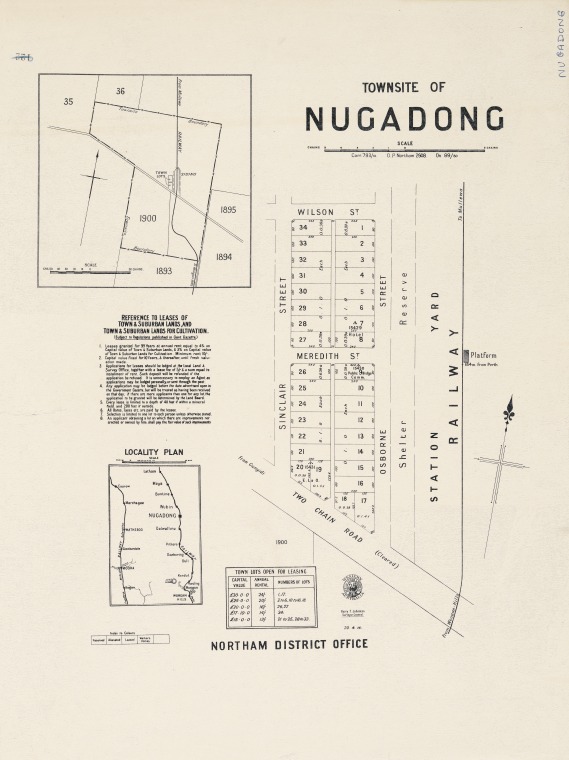
Ghost towns can vary in size and historical significance. Some have been well-preserved as historical landmarks, offering a glimpse into the past, while others have deteriorated or disappeared entirely. People may visit ghost towns for tourism, historical research, or as a way to experience a unique and often eerie atmosphere associated with these abandoned places.
Some ghost towns aren’t towns at all. They were communities that grew up organically for many different reasons, such as telegraph stations, rail sidings or timber mills. Some of these communities went on to become towns and even cities, while some just disappeared.
As we work through the project, we will be assessing every community on a case-by-case basis. You can help us. Tell us what you know about these places and help us to make the right decision.
 People of Western Australia's Ghost Towns