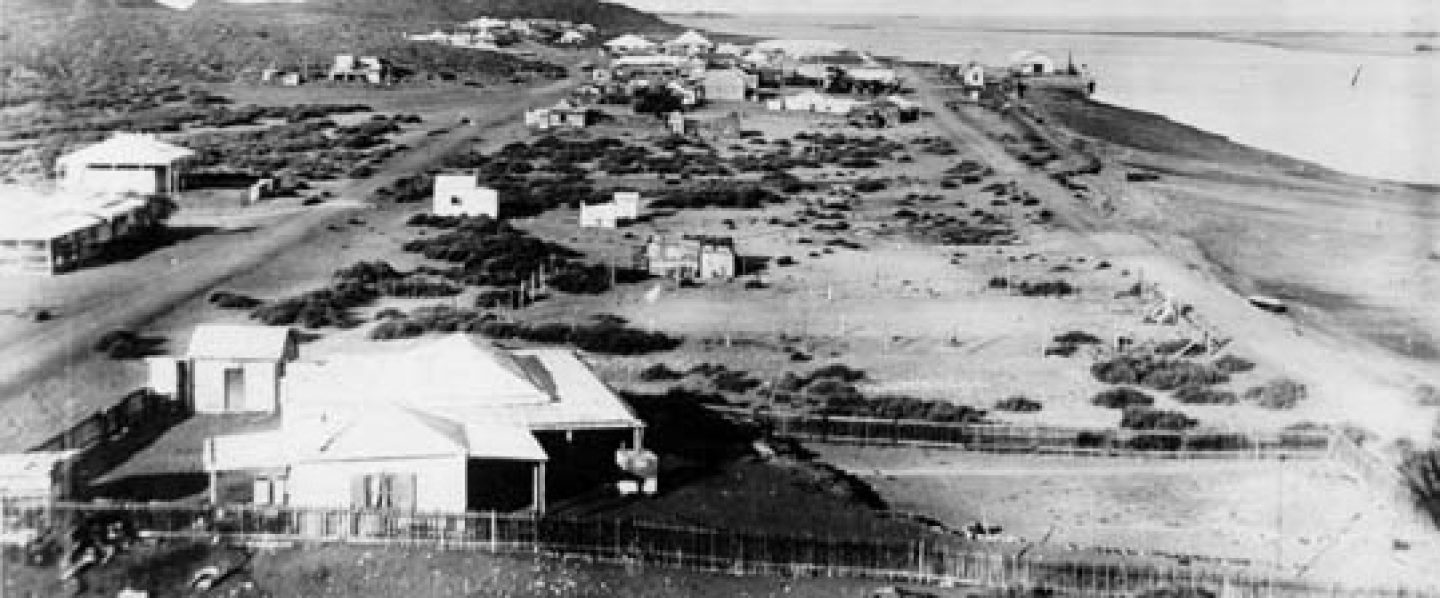
Tragedy on the Turf

On 19 March 1906, the gold-mining township of Bulong celebrated St Patrick’s Day with an “exempted mixed sports meeting” that drew crowds to the local recreation reserve. What should have been a day of festive competition ended in a tragedy that exposed the “loose and incompetent” standards of early goldfields racing and led to a high-profile manslaughter trial in the Kalgoorlie Circuit Court.1 2 3

The day’s final event was the Forced Handicap. Albert James Windsor, a well-regarded 18-year-old jockey, was given the mount on a horse named Umber. Tensions were high before the start; Windsor reportedly told his stepfather and Umber’s owner, John Coen, that other jockeys had threatened him, saying, “They would settle me this time”. Windsor was so apprehensive that he unsuccessfully attempted to swap his starting position to the outside rail to avoid being “blocked”.4 5 6
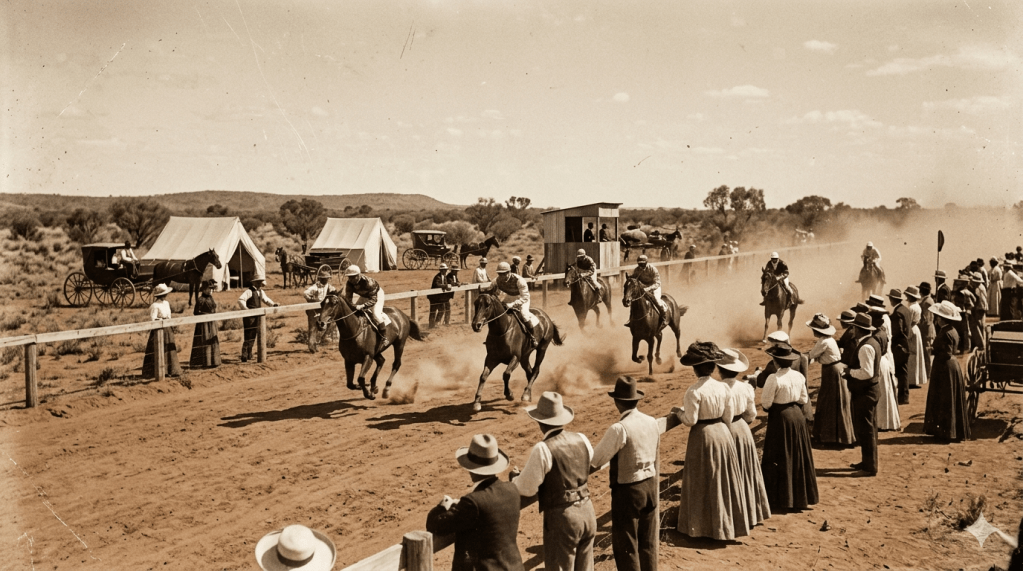
Image generated using Nano Banana 2
Christine Harris (2026)

As the field turned into the straight, Philosopher and Little Katie led, with Umber trailing by two lengths. Umber made a spirited run on the inside, drawing level with the leaders near the post. Witnesses testified that the rider of Philosopher, Victor Perry, deliberately pulled his horse across the track to block Umber’s path. The interference was so severe that Umber was “wilfully bored” off the course and into the surrounding crowd. In the ensuing chaos, Umber fell, striking several spectators before rolling over Windsor.7 8

Windsor was rushed to Bulong Hospital and later transferred to Kalgoorlie. He had sustained a fractured spine, leaving his body paralysed below the waist. Despite his clear intellect until the end, his condition was hopeless; he succumbed to respiratory failure on 2 April 1906.9 10

Victor Perry, who had fled Bulong an hour after the race, was eventually arrested and charged with manslaughter. His trial opened in June 1906 before Mr Justice Burnside. The prosecution presented a damning case, including testimony from John Coen that Perry had offered to “pull” (deliberately lose) his horse earlier that day for a fee, which Coen had refused.11 12

Perry’s defence argued that the incident was a mere racing accident, claiming Philosopher had a “bad mouth” and had swerved naturally toward the rails. However, the jury was not convinced by the claim that a horse would naturally swerve nearly nine yards across a 35-foot track.13

On 22 June 1906, the jury returned a verdict of guilty. They added a “strong recommendation to mercy,” citing the “remarkably dangerous” nature of the Bulong course and the “general loose methods” of the meeting’s stewards. Justice Burnside, while acknowledging the jury’s recommendation, sentenced Perry to 12 months’ imprisonment with hard labour in Fremantle Gaol. He remarked that Perry had “deliberately infringed” the rules of sport to prevent a competitor from winning, resulting in a disastrous loss of life.14 15


Sources

  1. ALLEGED MANSLAUGHTER (1906, June 22). Coolgardie Miner (WA : 1894 – 1911), p. 4. Retrieved March 18, 2026, from http://nla.gov.au/nla.news-article218120555 ↩︎
  2. Wikipedia (2022). Bulong, Western Australia. Retrieved 18 Mar 2026 from https://en.wikipedia.org/wiki/Bulong,_Western_Australia ↩︎
  3. BULONG MANSLAUGHTER CASE. (1906, June 26). Kalgoorlie Western Argus (WA : 1896 – 1916), p. 12. Retrieved March 18, 2026, from http://nla.gov.au/nla.news-article33036171 ↩︎
  4. The Bulong Racing Fatality. (1906, May 1). Kalgoorlie Western Argus (WA : 1896 – 1916), p. 18. Retrieved March 18, 2026, from http://nla.gov.au/nla.news-article33034239 ↩︎
  5. Bulong Racing Fatality. (1906, April 12). The Kalgoorlie Miner (WA : 1895 – 1954), p. 6. Retrieved March 18, 2026, from http://nla.gov.au/nla.news-article89619313 ↩︎
  6. Bulong Racing Fatality. (1906, April 11). The Kalgoorlie Miner (WA : 1895 – 1954), p. 6. Retrieved March 18, 2026, from http://nla.gov.au/nla.news-article89626477 ↩︎
  7. MANSLAUGHTER (1906, April 11). The Evening Star (Boulder, WA : 1898 – 1921), p. 3 (SECOND EDITION). Retrieved March 18, 2026, from http://nla.gov.au/nla.news-article204551063 ↩︎
  8. The Bulong Racing Fatality. (1906, May 1). Kalgoorlie Western Argus (WA : 1896 – 1916), p. 18. Retrieved March 18, 2026, from http://nla.gov.au/nla.news-article33034239 ↩︎
  9. ibid ↩︎
  10. Bulong Racing Fatality. (1906, April 11). The Kalgoorlie Miner (WA : 1895 – 1954), p. 6. Retrieved March 18, 2026, from http://nla.gov.au/nla.news-article89626477 ↩︎
  11. The Bulong Racing Fatality. (1906, April 25). The Kalgoorlie Miner (WA : 1895 – 1954), p. 4. Retrieved March 18, 2026, from http://nla.gov.au/nla.news-article89627506 ↩︎
  12. ALLEGED MANSLAUGHTER (1906, June 22). Coolgardie Miner (WA : 1894 – 1911), p. 4. Retrieved March 18, 2026, from http://nla.gov.au/nla.news-article218120555 ↩︎
  13. ibid ↩︎
  14. ibid ↩︎
  15. BULONG MANSLAUGHTER CASE. (1906, June 26). Kalgoorlie Western Argus (WA : 1896 – 1916), p. 12. Retrieved March 18, 2026, from http://nla.gov.au/nla.news-article33036171 ↩︎

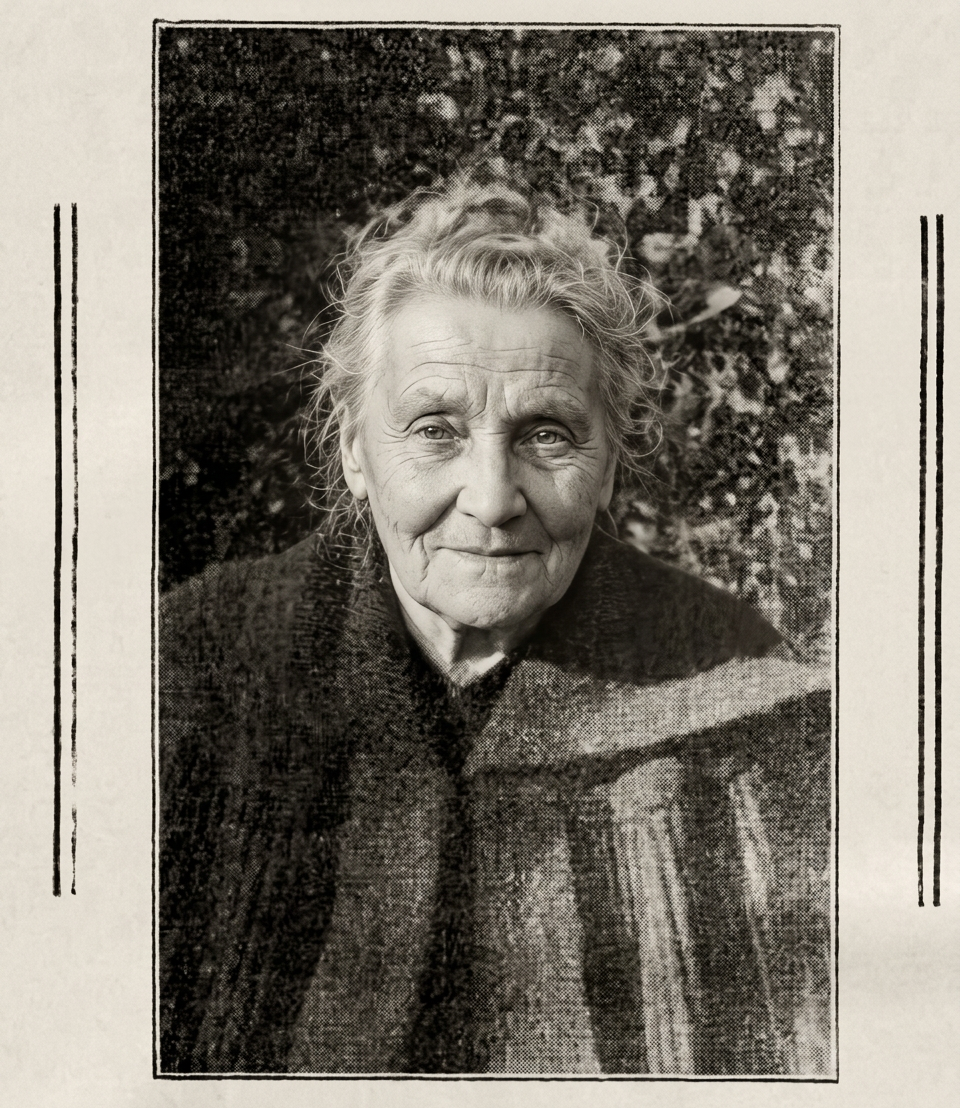
An extraordinary life

Infographic generated using NotebookLM
Christine Harris 2026

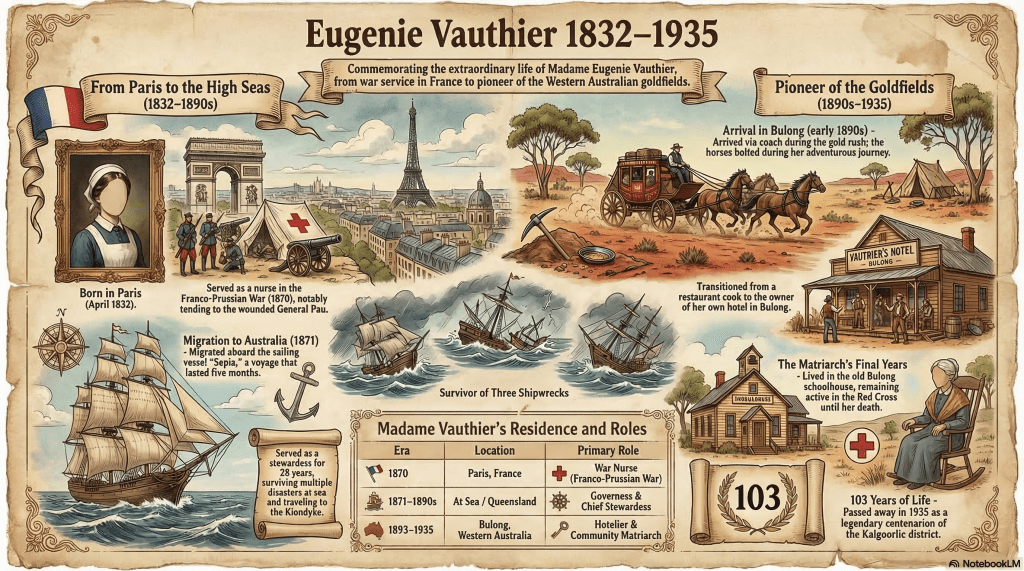
Madame Eugenie Vauthier, a remarkable woman whose life spanned more than a century and two continents, passed away in Kalgoorlie just before Christmas in 1935.1 Born in Paris, likely in the early 1830s, she was educated at the Sisters of Mercy in her home city.2 Her family history was marked by a sudden tragedy in 1870 when both her father, Joseph Vauthier, and her mother died within the same week. Despite this personal loss, she remained in Paris during the Franco-Prussian War, where she witnessed the harrowing Siege of Paris. During this conflict, she served as an army nurse, tending to casualties including a then-humble soldier who would later become the eminent General Pau. She is noted to have nursed him when he famously lost his arm.3 4

Following the conclusion of the war, she sought a new life and sailed for Australia in 1871. The journey aboard the sailing vessel Sepia was an arduous one, taking five months to reach its destination. Upon her arrival, she migrated to Queensland, where she found employment as a governess at a station homestead in Port Mackay for five years. This role preceded a long and adventurous career at sea. For twenty-eight years, she worked as a stewardess for the A.U.S.N. company, serving on coastal steamers that plied the waters between Sydney, Brisbane, and Melbourne. Her life as a mariner was not without peril, as she survived three separate shipwrecks. She took great pride in this vocation; even in her final days in the hospital, she kept near her a perfectly preserved jacket she had worn as a chief stewardess, adorned with dozens of bright buttons and gaudy braid. Furthermore, her travels took her far beyond Australian shores, including a voyage from Sydney to the Klondyke during the height of the gold rush.5 6

The discovery of gold at Coolgardie in the early 1890s eventually drew her footsteps toward Western Australia. Her arrival in the West was brief; she reportedly spent only a single hour in Perth and never returned to the capital city again. She moved almost immediately to Bulong, which at that time was a prosperous alluvial field. The trip to the goldfields was not without incident, as the horses drawing her coach bolted during the journey. Once settled in Bulong, she initially worked as a cook at a local restaurant. She eventually acquired and maintained the Globe Hotel until the district’s mining industry began to decline.7 8

Madame Vauthier spent the remainder of her long life in Bulong, eventually moving into the town’s old schoolhouse, which she purchased from the Education Department. Despite her advancing years, she remained exceptionally active well into her nineties. She spent her time tending to a garden and a flock of fowls, even carrying the water needed for her vegetables and fruit trees from a nearby dam in tins. Her longevity was attributed to a simple life and a diet that prominently featured fruit, particularly bananas. Even at the age of one hundred, she continued to use a treadle sewing machine and retained her sight, hearing, and memory. Throughout her decades on the goldfields, she remained a staunch supporter of Great Britain and was a keen worker for the Red Cross during the Great War.9 10 11


Sources

  1. PERTH (1936, January 11). The Australasian (Melbourne, Vic. : 1864 – 1946), p. 9 (METROPOLITAN EDITION). Retrieved March 14, 2026, from http://nla.gov.au/nla.news-article141768020 ↩︎
  2. ITEMS OF NEWS (1933, April 18). Western Argus (Kalgoorlie, WA : 1916 – 1938), p. 18. Retrieved March 14, 2026, from http://nla.gov.au/nla.news-article34615273 ↩︎
  3. CENTENARIAN DIES. (1935, December 23). The West Australian (Perth, WA : 1879 – 1954), p. 21. Retrieved March 14, 2026, from http://nla.gov.au/nla.news-article32961766 ↩︎
  4. PEEPS at PEOPLE (1927, March 13). Sunday Times (Perth, WA : 1902 – 1955), p. 14. Retrieved March 14, 2026, from http://nla.gov.au/nla.news-article58325242 ↩︎
  5. PERTH (1936, January 11). The Australasian (Melbourne, Vic. : 1864 – 1946), p. 9 (METROPOLITAN EDITION). Retrieved March 14, 2026, from http://nla.gov.au/nla.news-article141768020 ↩︎
  6. Woman of 104 Who Nursed General Pau in Franco-Prussian War Lies Dying in Hospital (1935, December 26). The Telegraph (Brisbane, Qld. : 1872 – 1947), p. 13 (LATEST FINAL CABLES). Retrieved March 14, 2026, from http://nla.gov.au/nla.news-article179943054 ↩︎
  7. CENTENARIAN DIES. (1935, December 23). The West Australian (Perth, WA : 1879 – 1954), p. 21. Retrieved March 14, 2026, from http://nla.gov.au/nla.news-article32961766 ↩︎
  8. CENTENARIAN PASSES (1935, December 23). The Kalgoorlie Miner (WA : 1895 – 1954), p. 2. Retrieved March 14, 2026, from http://nla.gov.au/nla.news-article95010218 ↩︎
  9. PEEPS at PEOPLE (1927, March 13). Sunday Times (Perth, WA : 1902 – 1955), p. 14. Retrieved March 14, 2026, from http://nla.gov.au/nla.news-article58325242 ↩︎
  10. CENTENARIAN DIES. (1935, December 23). The West Australian (Perth, WA : 1879 – 1954), p. 21. Retrieved March 14, 2026, from http://nla.gov.au/nla.news-article32961766  ↩︎
  11. CENTENARIAN PASSES (1935, December 23). The Kalgoorlie Miner (WA : 1895 – 1954), p. 2. Retrieved March 14, 2026, from http://nla.gov.au/nla.news-article95010218 ↩︎

Announcement

The People of Western Australia’s Ghost Towns project team are pleased to announce the launch of Phase 5 on 7 December 2025. Phase 5 will add 19 new communities to those already in progress.

Click on the name of the town to find out what we know about it – so far. Our research continues and we will be keeping all our content up to date with our latest discoveries!

The new communities are:

Do you know anything about any of these communities? Do you have pictures, stories, documents, records of any type? Please let us know via the comments panel.